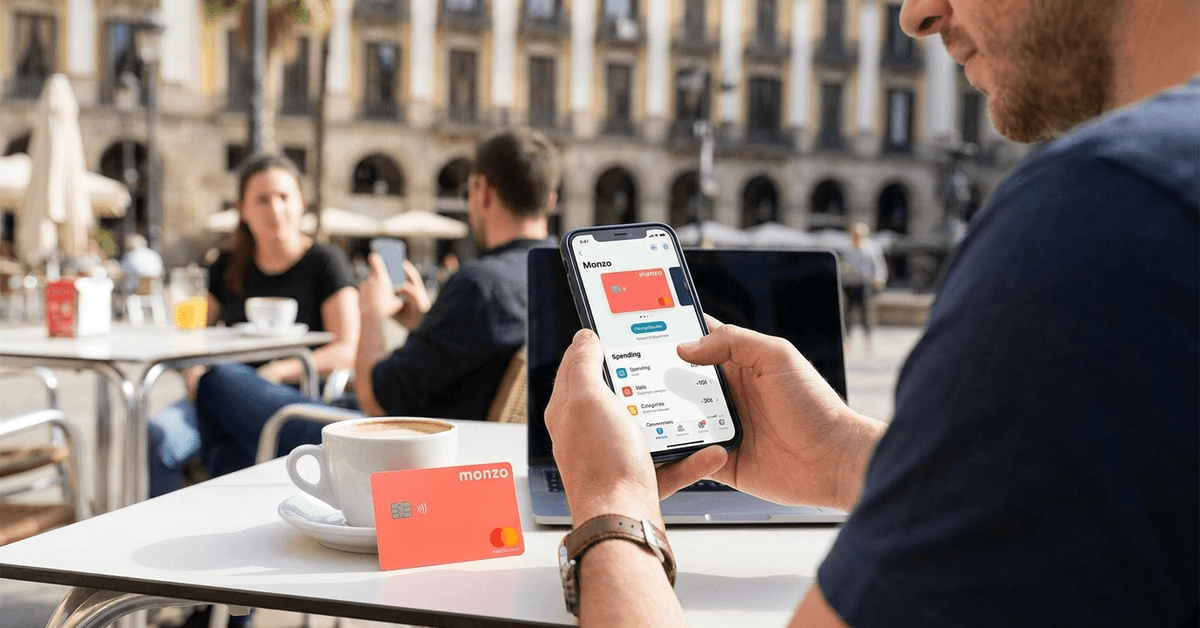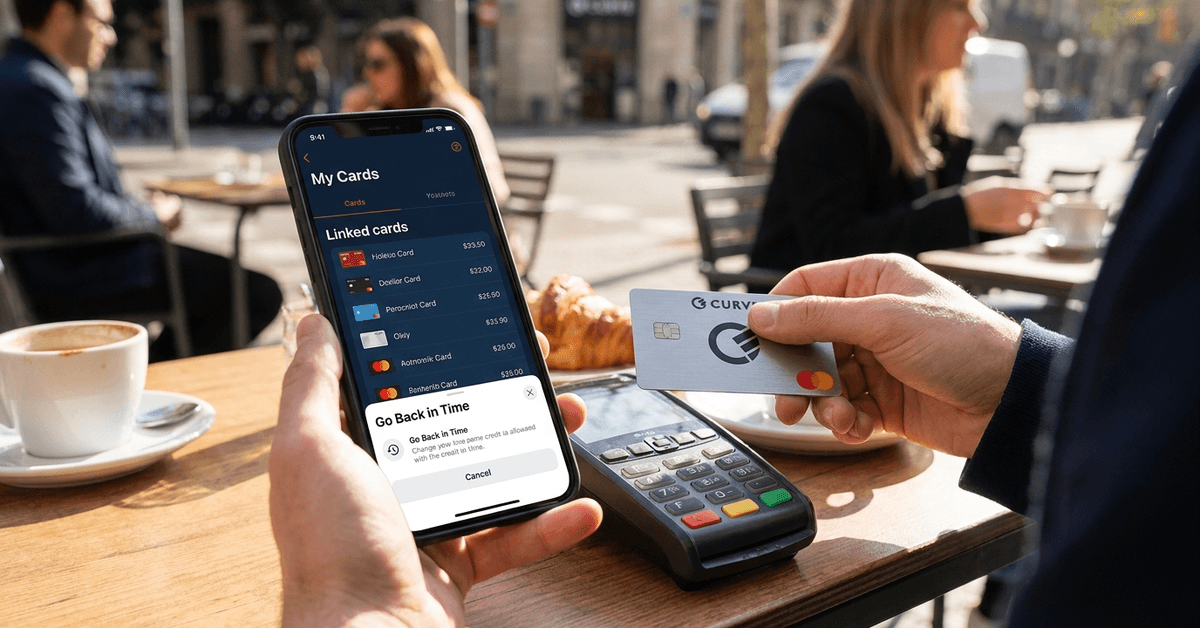
A card gets declined at a market stall in Chiang Mai, and a routine Tuesday turns into a scramble for cash. That moment sends most freelancers straight into a search for a global payment card.
Remote workers and long-term travelers do not want fifteen tabs open comparing exchange spreads. They want one card that works in Lisbon, Bangkok, and Mexico City without surprises.
This piece compares international credit cards, prepaid travel cards, and multi-currency debit accounts side by side, plus one popular tip that does not hold up for people who settle down instead of hopping around.
Why Your Regular Debit Card Stops Working the Moment You Leave Home
A domestic debit card is built for one country’s banking rails, and once it crosses a border, that design shows. Currency conversions get slow and foreign transaction fees start appearing on statements that never had them before.
Remote workers, digital nomads, expats, and students studying overseas run into this constantly. A global payment card solves a narrower problem than people expect. It removes the everyday friction that a domestic card was never built to handle.
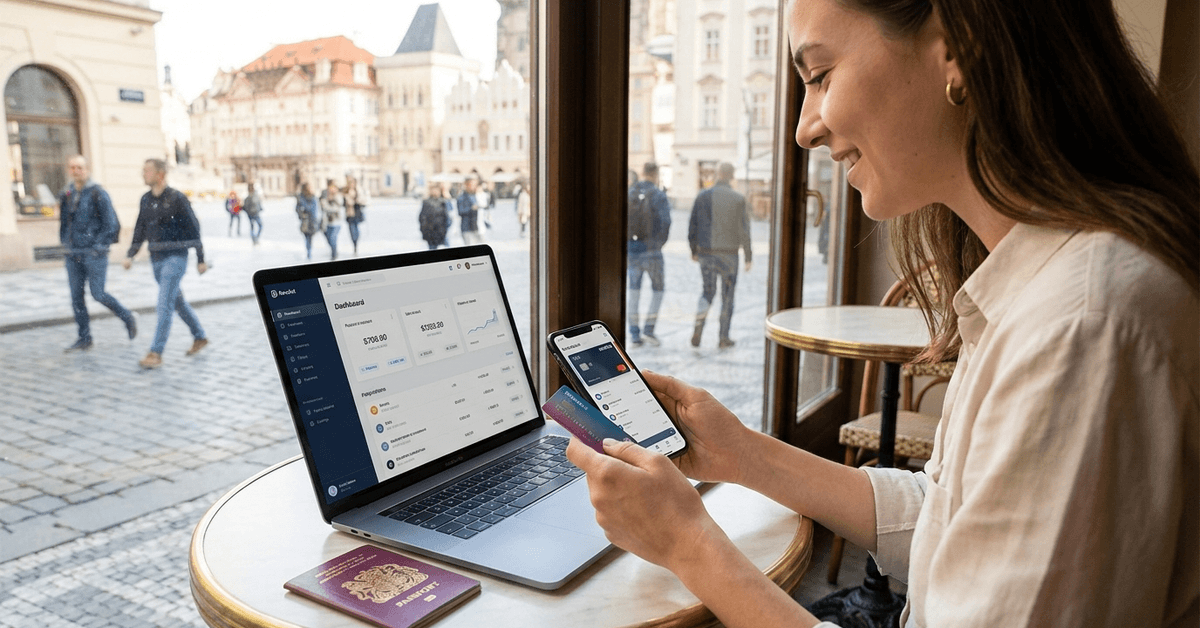
The appeal is straightforward. Paying in a shop in Barcelona or ordering something online from a supplier in Seoul should not require doing currency math in your head.
Cards built for multi-currency use handle the conversion at the point of sale, and the better ones do it close to the market rate instead of a padded one.
Why Fraud Controls Matter More Once You Cross Borders
Security matters just as much as convenience once you’re moving between countries regularly.
Cross-border spending draws more fraud attention than local spending, so cards aimed at international users tend to ship with instant freeze controls and real-time transaction alerts.
None of this means one card works everywhere. Smaller vendors and rural areas still lean on local payment methods or cash, and no card marketed as global changes that.
The Card Types You Will Run Into
Card marketing blurs categories together, but only four structures show up repeatedly once you start comparing options. Knowing which bucket a card falls into tells you what to expect before you even check the fee page.
International Credit Cards
International credit cards work the way a domestic credit card does, except the issuer expects charges from a dozen different countries.
Visa and Mastercard remain the two networks accepted almost everywhere, and checking Visa’s global acceptance network before traveling to a smaller country can help you avoid a declined card at checkout.
Many of these cards add travel insurance and emergency card replacement, since the issuer already prices in a customer who travels.
Prepaid Travel Cards
Prepaid travel cards work differently because you load money onto them before you leave, which locks in an exchange rate and removes the option to overspend past your balance. Students on a first trip abroad and travelers who want a hard spending ceiling tend to prefer this structure over a credit line.
Multi-currency debit cards sit in between. Banks and fintech companies issue these to hold several currencies inside one account and switch between them instantly, avoiding a conversion every time you cross a border.
Neobanks lean on the same idea but package it inside a mobile-first app, which is why digital-first providers keep showing up at the top of comparison lists aimed at frequent travelers.
The Features That Decide Whether You Save or Lose Money
Picking a category is step one. The bigger differences show up inside the fine print, in details that rarely make it into a five-star app store review.
Check these five things on every card before comparing specific brands:
- Currency coverage: how many currencies the card actually holds versus how many it just converts on the fly.
- ATM withdrawal limits: the monthly cap before fees start, and what that fee costs per withdrawal.
- Foreign transaction fees: some cards advertise zero fees but cap the fee-free amount or exclude certain countries.
- Exchange rate policy: whether the provider uses the market rate or adds its own margin on top.
- Card management tools: instant freezing, alerts, and how fast a replacement card actually arrives.
The Two Fees That Quietly Cost the Most
Two cards with identical-looking terms sheets rarely cost you the same amount, because ATM caps and exchange margins interact based on your own spending pattern.
Someone who withdraws cash twice a month and pays by card the rest of the time can absorb a slightly worse exchange margin without noticing.
That same margin costs far more for someone who relies on cash withdrawals in a country where card acceptance is thin. The fee that matters most depends on how you spend, not on which number sits higher on a comparison chart.
How Revolut, Wise, Monzo, HSBC, and N26 Stack Up
Five names keep showing up in the same conversations, and it’s not accidental. Each one solves the international spending problem with a different tradeoff.
| Card | Currencies Held | ATM Fee Policy | Best Fit |
|---|---|---|---|
| Revolut | Dozens supported | Low ATM fees up to a set monthly cap | Frequent travelers wanting an app-first setup |
| Wise | More than 40 currencies | Fee-free withdrawals up to a small monthly limit | Nomads settling in one country for months |
| Monzo | UK and EU focused | Free withdrawals limited outside Europe | UK and EU residents traveling within the region |
| HSBC Global Money Account | Multiple currencies via traditional banking | Standard bank ATM terms apply | Customers who want in-person branch support |
| N26 | Europe and US coverage | Clearly published fee structure | EU-based remote workers |
Reading the Fee Columns Correctly
“Low ATM fees up to a monthly cap” sounds reassuring until you check what happens after the cap.
Some providers charge a flat fee per withdrawal past that point, others add a percentage, and the difference only shows up once you’re already relying on the card.
No single card wins across every column in that table. What fits you depends on how often you change countries versus how long you stay in each one.
Who Actually Needs a Multi-Currency Card
Grab a multi-currency card before any trip, the advice goes, no matter how you travel. I disagree with that blanket version of it.
If you’re settling into one country for months instead of hopping through three every week, a single low-fee card, like Wise’s, which holds more than 40 currencies but only charges for what you convert, usually beats juggling balances you’ll barely touch. Multi-currency accounts make sense when you convert between currencies on a regular basis, not when the option just sits unused in an app.
Someone who works remotely for a client paying in dollars while spending in euros benefits from holding both without a conversion fee eating into every invoice. Someone parked in one place for months mostly needs one currency and a low withdrawal fee, and the extra currency slots become a feature they never open.
Frequent Flyers and Digital Nomads
Frequent flyers and digital nomads who cross borders often get real value from true multi-currency structures. Instant top-ups and in-app currency switching solve problems that come up regularly for this group.
Students and Expats Abroad
Students studying abroad tend to do better with prepaid cards that cap spending, since a hard balance limit prevents the kind of overspending a full credit line invites.
Expats often end up needing a local bank account for salary and rent alongside an international card for sending money home or paying for subscriptions billed in another currency.
The Security and Legal Details People Skip Until Something Breaks
Card security gets treated like an afterthought until a lost wallet turns into a weekend of frozen accounts. A few habits prevent most of that stress before it starts.
Build these into your routine from the first time you activate a card:
- Freeze it immediately through the app the moment it’s lost, rather than waiting to call a support line.
- Never share a PIN, even with someone claiming to be from the bank or card provider.
- Check transactions daily through the app instead of waiting for a monthly statement to catch fraud.
- Keep a backup card from a different network in case one gets blocked or declined.
Checking Whether a Provider Is Regulated
Confirm a provider holds a real financial license in the country it operates from before handing over salary or savings. A provider with unusually low fees and no visible regulatory information is a bigger risk than the small savings are worth.
Anyone holding funds across multiple currencies for months should also understand the tax reporting rules in their home country and country of residence, particularly around long stays or larger transfers.
Skipping that step rarely causes an immediate problem. It surfaces later, during a tax filing or an audit.
Where These Cards Still Fall Short
No card removes every risk of moving money across borders. Two limitations show up often enough to plan around ahead of time.
Fee structures change without much warning. A card that launched with zero foreign transaction fees can add a small percentage a year later, so checking the current terms on the provider’s own page before a big trip is worth the two minutes it takes.
Acceptance also thins out fast once you leave cities. Rural areas and small towns in many countries still don’t take foreign cards, digital or otherwise. Carrying a small cash reserve alongside any global card remains a sensible habit.
Questions People Ask About Global Payment Cards
A few questions come up in almost every conversation about spending across borders, so here they are with straight answers.
- Q: Do international payment cards work everywhere you travel?
Visa and Mastercard networks cover most tourist areas and major cities without trouble. Smaller shops and certain rural regions still lean on cash or local-only payment systems, so carrying a small backup reserve keeps you from getting stuck. - Q: Are multi-currency cards better than single-currency ones?
It depends entirely on how often you convert between currencies rather than how often you travel. Someone parked in one country for months usually pays more attention to ATM fees than to how many currency slots a card offers. - Q: How secure are digital-first travel cards compared to a regular bank card?
Fintech cards tend to ship with faster freeze controls and instant alerts. None of that replaces basic habits like checking your balance daily and never sharing a PIN over the phone. - Q: What fee should worry a traveler more than the others?
ATM withdrawal caps tend to cost more over a year than the exchange rate margin most people focus on. A card with a slightly worse exchange rate but a higher fee-free withdrawal limit often wins for anyone who pulls out cash weekly. - Q: Can you use more than one international card at once?
Carrying two cards from different networks is a normal setup, not a sign of overplanning. One as your daily driver and a second as backup covers the two most common failure points: a network outage and a lost or blocked card.
Conclusion
A global payment card fixes real friction, but no single brand fits every travel pattern or spending habit perfectly.
Wise, Revolut, Monzo, HSBC, and N26 trade fees and coverage differently, so match the card to how you move.
Digital nomads settling into one country for months save more from low ATM fees than from unused currency slots. Check the provider’s current fee page before committing, since terms shift more often than most travelers expect.