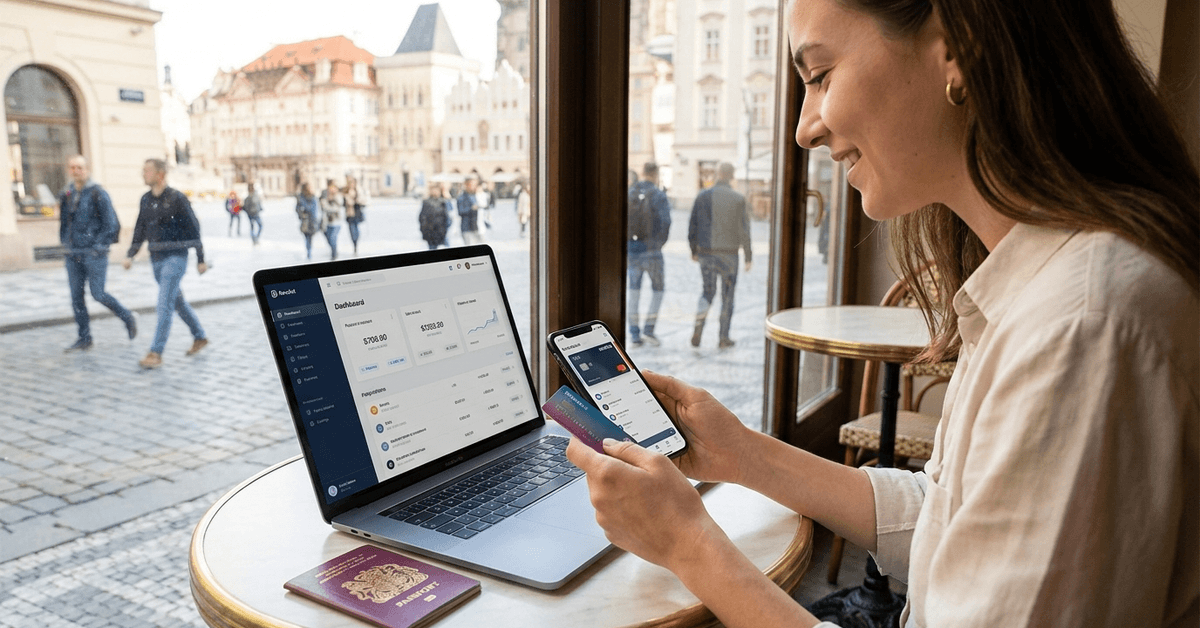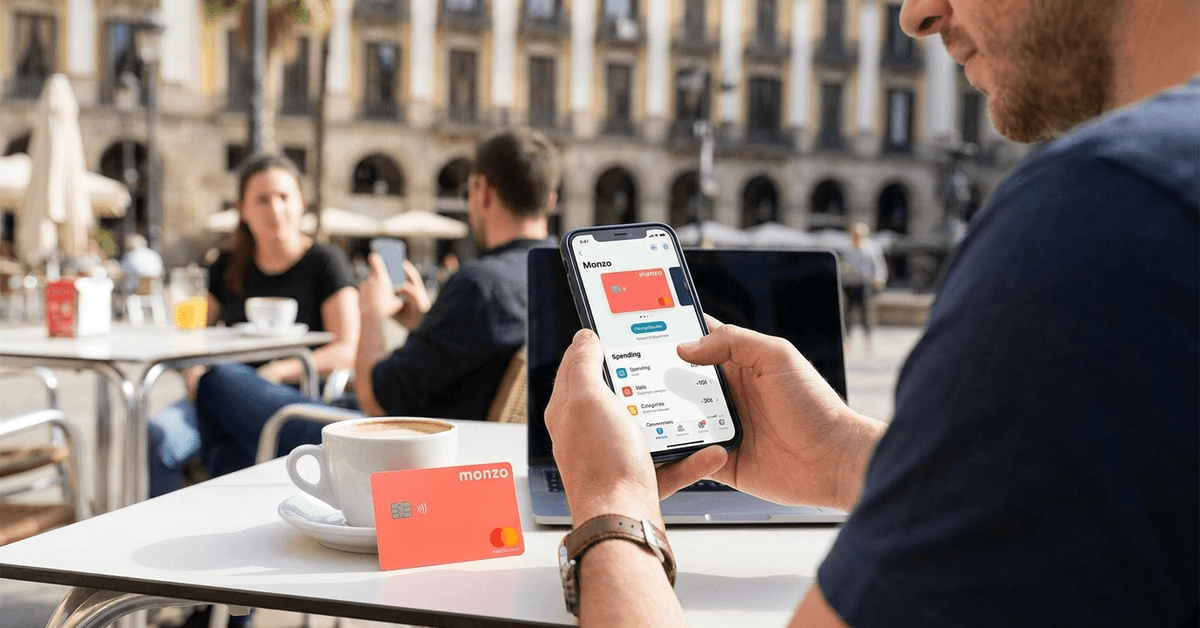
Somewhere between a Revolut notification and a text from your old high-street bank, a decision starts forming: close one account and never look back.
Digital banking in 2026 makes that decision tempting. Faster transfers, lower fees, and an app that already tracks every coffee you bought this month.
Closing that account might be the wrong move, and brand loyalty has nothing to do with it.
Why “Pick One Bank” Advice Doesn’t Fit How People Bank in 2026
Pick a lane, digital or traditional, and stop paying two sets of fees. That’s the usual line.
I disagree, and Wise is the easiest example why: brilliant for cross-border transfers, but it won’t sit across a desk with you to talk through a mortgage the way BBVA can.
This is mainly written for the person who already has Revolut, Chime, or Monzo open on their phone and is wondering if the old bank account still earns its place.
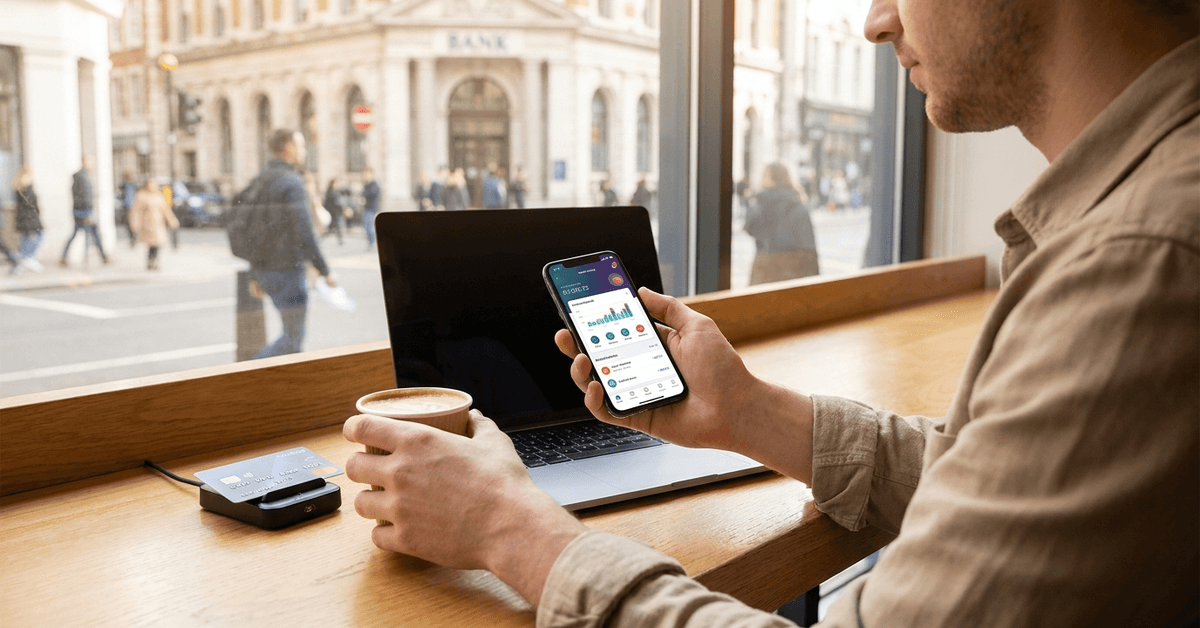
The advice to go fully digital skips a detail buried in almost every comparison: banks like HSBC and Santander still handle large check deposits and loan conversations in person, and neobanks like Revolut, N26, and Monzo were never built for that.
A more useful approach treats the two accounts as different tools for different jobs. One account moves money daily.
The other exists for anything that needs a human signature or a large insured balance sitting somewhere boring and safe.
What Changed Inside Your Banking App Since You Last Logged In
Deciding which account to close gets easier once you know what changed inside these apps over the past few years.
Banking apps in 2026 do a lot more than show a balance. They alert you the moment money moves, settle payments in seconds, and let you tap a phone at checkout instead of digging for a card.
The Instant Stuff: Transfers, Payments, and Notifications
Round-the-clock access changed the basic rhythm of banking. Checking a balance at midnight or moving money from an airport used to require branch hours, and now it barely registers as unusual.
Real-time alerts do more than ping a phone. They flag a transaction the second it happens, and several apps pair that with monthly spending summaries that break spending down by category.
Cryptocurrency shows up in these conversations sometimes, though I wouldn’t build a daily habit around sending money through crypto rails when SEPA Instant already clears in seconds without the volatility. Contactless and cardless payments closed the loop.
- Tap-to-pay,
- NFC wallets, and
- QR code
- scans mean the physical card matters less every year.
Most major banks, digital or traditional, have folded this into their standard app by now.
Instant transfers changed the math on international payments too. SEPA Instant moves money between European accounts in seconds instead of days, and peer-to-peer transfers between friends clear almost immediately in a lot of cases.
Where Your Money Learns to Behave Itself
Budgeting tools inside these apps do a decent job of sorting spending automatically and flagging a category before it runs over. Digital-first banks tend to lead here, though traditional banks are closing the gap fast.
Automated savings features look small on the surface. Round-up savings, scheduled transfers into a separate pot, and goal trackers don’t feel dramatic day to day.
But the balance in that pot after a few months of round-ups tends to surprise the people who ignored it.
Digital-Only Banks vs Traditional Banks: Which One Wins Which Job
Neither type of bank wins every category, and pretending otherwise is how people end up frustrated a few months after switching completely.
When a Digital-Only Bank Pulls Ahead
A few advantages show up consistently across neobanks like Revolut, N26, and Monzo:
- Account opening that takes minutes instead of days of paperwork
- Monthly fees that are often lower or waived entirely
- Exchange rates that beat what a traditional bank counter offers
- Budgeting and spending insights built directly into the home screen
When a Physical Branch Still Matters
Other situations still favor a bank with a counter and a person behind it:
- Depositing a large check or handling a complex cash deposit
- Getting talked through a mortgage or loan application face to face
- Working through data or security concerns that a chatbot can’t fully resolve
| What You Need | Neobanks (Revolut, N26, Monzo, Chime, Wise) | Traditional Banks (BBVA, Santander, ING, HSBC, Bank of America) |
|---|---|---|
| Opening an account | Minutes, done from a phone | Often needs an appointment or branch visit |
| Cross-border transfers | Built for this, Wise especially | Available but usually slower and pricier |
| Large check or cash deposits | Limited or not supported | Handled directly at a branch |
| Loan or mortgage guidance | Mostly self-service | In-person advice available |
The pattern is simple: digital banks win on speed and cost, traditional banks win on anything that needs a person in the room.
The Names That Keep Showing Up When Comparing Digital Banks in 2026
Revolut, N26, and Monzo dominate the neobank conversation in Europe, while Chime holds a similar spot for US-based customers.
Wise built its entire reputation around cross-border transfers, which is exactly the gap it fills for anyone running the split-account approach covered above.
On the traditional side, BBVA, Santander, ING, HSBC, and Bank of America (availability depends on region) have pushed real investment into their own apps, closing a lot of the daily convenience gap that used to define digital-first banks.
App interface, fee transparency, and how fast support responds to a complaint are what really separate these traditional banks from each other now, not whether they have an app at all.
Keeping Your Money Safe Without Turning Into a Full-Time Security Analyst
Digital convenience comes with a short list of security habits worth keeping. Biometric logins, two-factor authentication, and instant card-lock features cover the basics on both digital and traditional apps now.
Checking Deposit Insurance Before Moving a Large Balance
Reviewing which apps and services still have account access, and updating passwords at least once a year, is a habit worth building even when it feels unnecessary.
For anyone parking a larger balance in a digital bank, checking FDIC deposit insurance limits before doing so is worth the five minutes it takes.
Who the Split-Account Approach Fits Right Now
People in rural areas without a nearby branch, frequent travelers, and expats managing money across two countries get the clearest benefit from a digital-first account. Multi-language support and built-in accessibility tools like screen readers open banking up to people traditional branch models left out for years.
The traditional account still has a job: sitting ready for the day a lender wants a real person across a desk, while the digital account handles anything that needs speed.
One common mistake shows up right after a switch: closing the old account before confirming the new digital bank accepts a direct deposit of that size without extra verification. Checking a bank’s own deposit and transfer limits on its official site before making that call saves a scramble later.
Questions People Ask About Digital Banking
A few questions come up constantly once people start comparing accounts, so here they are with straight answers.
- Q: Is digital banking safe enough to hold most of my savings?
Biometric logins and two-factor authentication cover daily risk well, and deposit insurance still applies to eligible balances depending on the provider. Checking a specific bank’s insurance status before moving a large sum over is worth doing first. - Q: Can I use Revolut or Wise as my only bank account?
Plenty of frequent travelers use Wise or Revolut as their only account for daily spending and cross-border transfers. Large check deposits and mortgage conversations are still where a traditional bank tends to come in. - Q: What’s the real difference between a neobank and a traditional bank’s app in 2026?
Core features increasingly overlap, since banks like HSBC and Santander have invested heavily in their own apps. The differences that remain come down to fee transparency, exchange rates, and how quickly a human answers when something goes wrong. - Q: Should I close my old bank account once I switch to a digital-only bank?
Closing it is the default advice, but keeping it open with a small balance costs little and keeps options open for large deposits or loan applications. That flexibility outweighs the minor hassle of managing two apps for most people. - Q: How much do automated round-up savings really add up to?
The amount depends entirely on spending habits and how many transactions round up each month, so there’s no fixed number to quote. Several apps show a visible difference in the savings pot within a few months, which is usually enough to notice without changing daily spending habits.
Conclusion
Digital banking in 2026 gives most people faster transfers, better fees, and tools traditional banks are still building. Closing a traditional account entirely trades away branch access exactly when a large deposit or loan conversation needs a person.
Keeping both accounts open costs little beyond the hassle of managing two apps instead of one.
The split approach beats a forced choice between old and new for how most people bank right now.