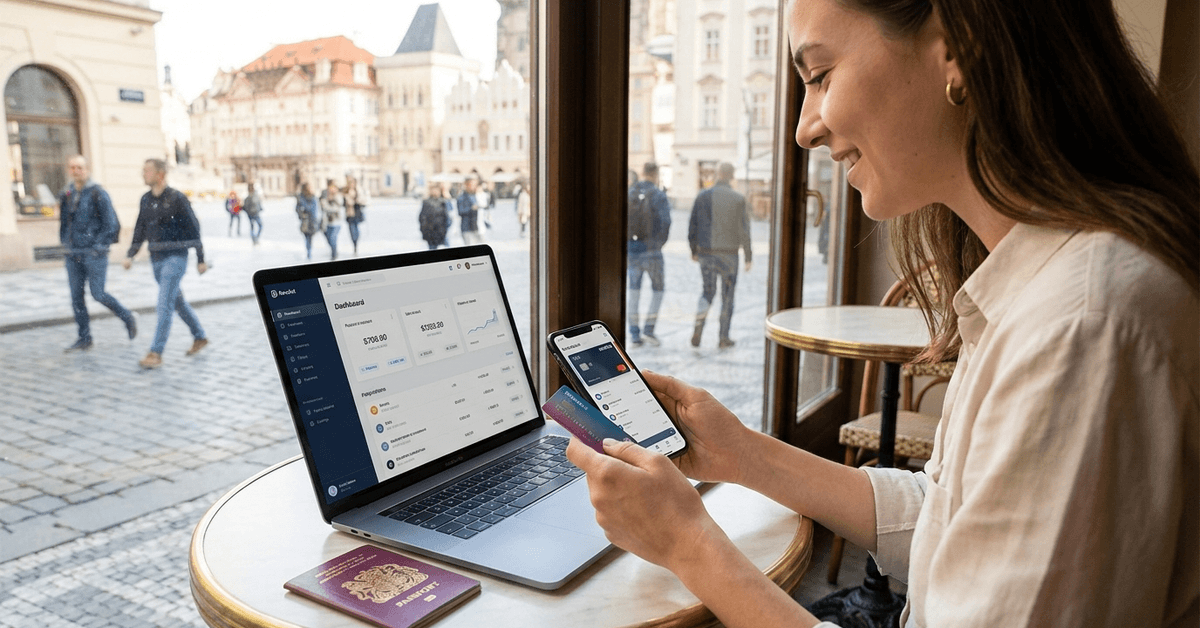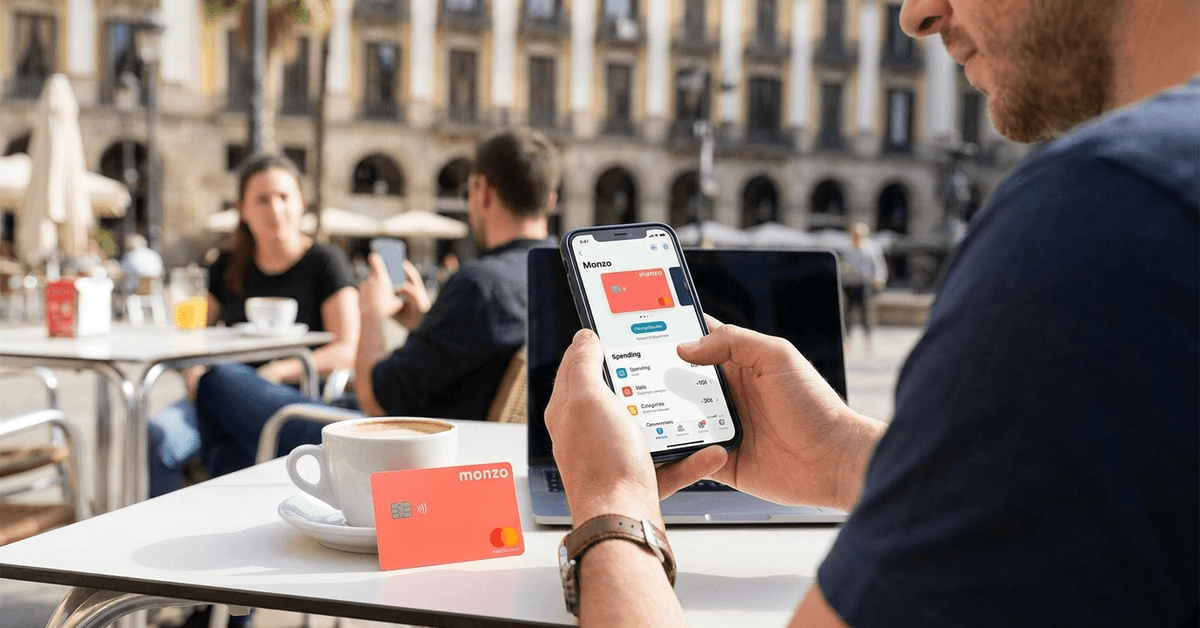
Banking habits are evolving, perhaps faster than we expect. For many in Spain, reevaluating where their money lives isn’t just common sense—it’s become practically essential.
If you’re the sort of person who’s ever wondered whether switching banks could be smarter—whether it’s for better tech, stronger service, or just reducing monthly costs—there’s never been more to consider.
This article is for anyone thinking about changing their main bank in Spain. If you value digital innovation, cost transparency, and tools to help your financial health, you’ll walk away with a clear sense of this year’s best options. The main benefit? Understanding what makes top banks stand out, so you can weigh trade-offs before making a change.
Why People in Spain Are Rethinking Their Banks?
There’s no single reason people decide to switch banks. For some, it’s about fees or outdated tools. For others, it might involve improving security or finding more flexible everyday banking.
Banks are all competing fiercely now—especially with digital-first challengers entering the Spanish market. That means customer choice has never felt more wide open, which can honestly be a bit overwhelming.
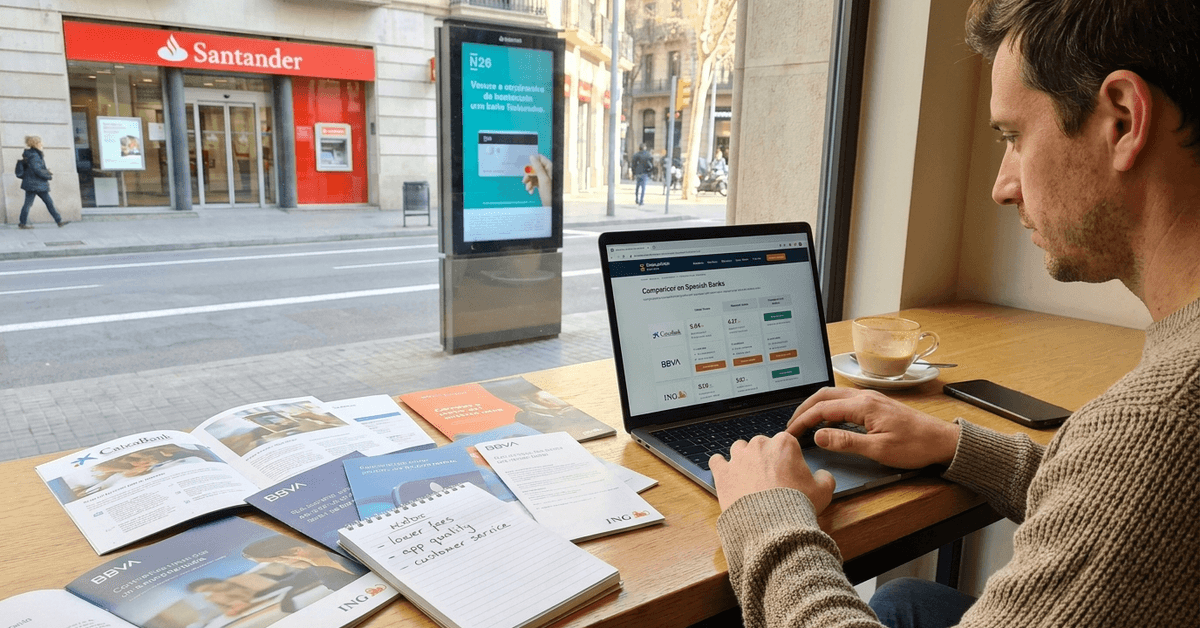
Key Factors When Comparing Spanish Banks in 2026
The “right” bank looks different to everyone. Some may prize a strong branch network, while others value seamless mobile banking. Still, a few core considerations stand out across the board for Spanish consumers this year:
- Transparent fees and clear account terms
- Robust digital features—including mobile apps
- Customer service quality
- Safety and reputation
- Range of products: cards, loans, savings
- Foreign transaction advantages, if traveling often
Best Traditional Banks in Spain for Everyday Use
Spain’s big-name banks still serve millions. Stability and retail presence matter, and they’ve adapted to compete with leaner digital banks. Let’s examine the strongest traditional options.
Santander
Widely recognized, Santander blends a large branch network with progressive digital features. Their mobile app rates highly for usability and security.
Despite this, some may feel monthly maintenance charges (“comisiones”) require close reading. Still, global reach and comprehensive services remain strong advantages here.
CaixaBank
Known for personalized service, CaixaBank operates the most branches nationwide. Their digital banking, imagin, caters especially to younger and online-focused clients.
Many families appreciate their customer support—though, as with any major institution, experiences can vary.
BBVA
BBVA’s app frequently ranks as Spain’s most advanced. In particular, its financial health dashboard and predictive tools are a hit with digitally minded customers.
Their standard current account is competitive, though the bank emphasizes rewards and incentives that change year to year.
Challenger and Digital-First Banks Worth Considering
The chase for mobile-first and fee-light banking has introduced strong competition. Spanish consumers are rapidly exploring fintechs and new players with unique offerings. Here are some of the best picks for 2024.
ING
Though not Spanish-owned, ING’s “Cuenta Nómina” appeals to those who dislike conditions and hidden fees. The bank features simple online sign-up, reliable support, and no mandatory salary deposit for basic use.
Its app is clean and balances cost control tools with daily convenience. One small catch? Fewer physical offices.
Openbank
Openbank, under the Santander group, operates purely online in Spain. With zero-fee current accounts and integrated savings tools, it works nicely for digital natives.
Some may find customer support more “self-serve”—but for straightforward banking with modern design, it’s popular.
N26
N26, a German neobank, continues to attract locals and expats. Its no-nonsense fee structure, instant notifications, and multi-language support make banking accessible anywhere.
However, cash deposits and some advanced banking services may be less direct than with local giants. For routine spending and travel, it’s quite strong.
Comparing Popular Account Features
With options spanning old and new, direct comparison can clear things up—at least, mostly. Here’s how some of the leading banks stack up across essential Spanish account features.
| Bank | Monthly Fee | Mobile App Quality | Branch Access | Account Types | International Use |
|---|---|---|---|---|---|
| Santander | Varies* | High | Extensive | Basic, Premium, Youth | Strong |
| CaixaBank | Varies* | Good | Very High | Varied | Standard |
| BBVA | Low-Med | Very High | Good | Standard, Premium | Strong |
| ING | Zero | Good | Limited | Simple, Joint | Above Average |
| Openbank | Zero | High | None | Digital Only | Standard |
| N26 | Zero – Low | Very High | None | Digital Only | Strong (FX Options) |
*Most traditional banks offer zero-fee accounts if conditions (such as salary deposit) are met.
Important Legal and Tax Notes When Switching Banks
Transparency is a major push in Spanish financial law. When opening a new account, banks must share all conditions and charges upfront.
If you’re transferring salary payments or direct debits, Spanish law prevents banks from making the process unnecessarily slow or complicated. Still, delays can sometimes occur, especially with older institutions. Staying patient helps.
Tax-wise, Spanish residents must report all bank accounts held abroad—and interest earned, even if only a few euros. Most banks in Spain automate withholding on interest. If switching to a non-Spanish (e.g., N26) account, be sure to understand digital tax notifications and reporting.
Tips for a Smooth Bank Switch in Spain
Switching banks is easier when you prepare your payments, documents, and timing in advance. These tips can help you avoid missed bills, salary delays, or account confusion during the changeover.

- Gather all regular payment info before starting (rent, utilities, subscriptions, etc.)
- Check for any outstanding loans tied to your current account
- Compare digital features via demo accounts or reviews
- If uncomfortable online, consider banks with both branches and digital options
- Confirm official timing for salary/direct debit changeover, especially around holidays
Emerging Banking Trends to Watch
The future of banking in Spain seems clearly digital, but old and new systems exist side by side. Recent arrivals—like Revolut or Wise—offer sharp currency services, while traditional banks press harder with their own apps and free accounts.
New products blend banking and budgeting, aiming to make finances less stressful. Yet, it’s almost certain some will still appreciate walking into a physical branch, if only for reassurance.
Conclusion
Switching banks in Spain can be a practical way to reduce fees, improve digital banking, and access better financial tools. Both traditional banks and digital-first providers offer strong options, depending on your priorities and banking habits.
Before making the move, compare costs, services, and account requirements to find the best fit for your needs. A well-planned switch can make everyday banking simpler, more convenient, and more cost-effective.