
You want a practical way to improve your cooking skills without enrolling in formal classes. Many people now choose to cook with AI because it provides instant guidance and personalized support.
This approach combines technology with hands-on practice in your own kitchen. In this article, you will learn how AI tools work, how to use them properly, and how they can improve your results.
Understanding AI in Modern Cooking
AI now plays a clear role in how you prepare and plan daily meals. You should understand its operational structure before relying on it daily.
How AI Processes Cooking Information?
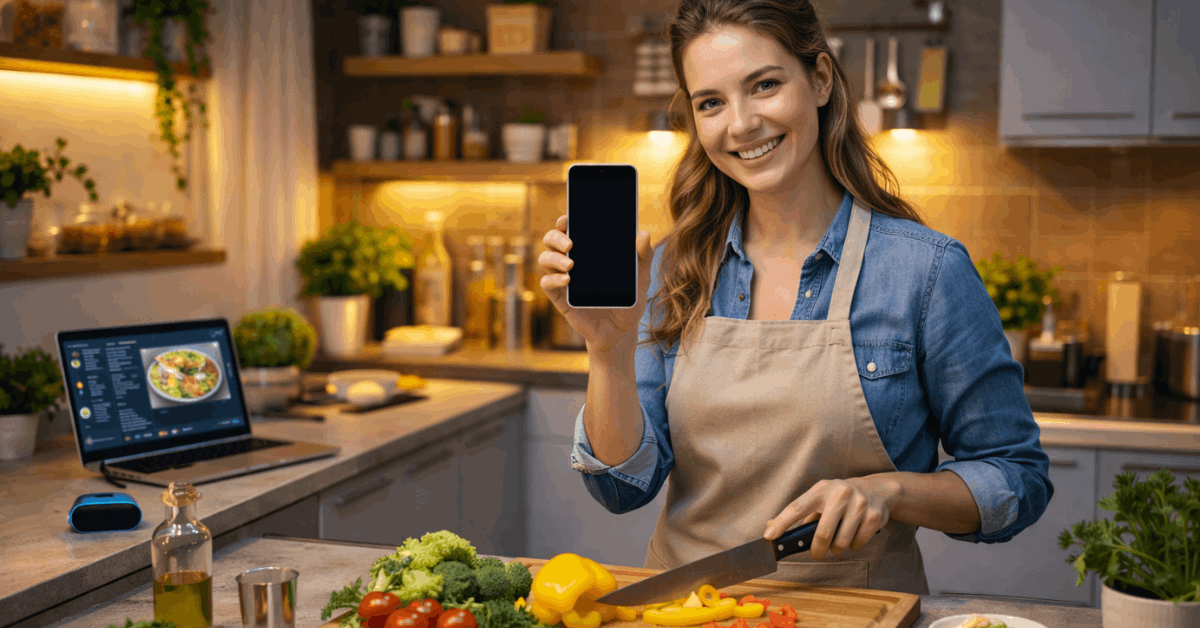
It analyzes data from recipes, ingredients, and user preferences to generate structured outputs. They break down complex cooking methods into simple, logical steps.
You receive organized instructions that reduce confusion during preparation. The system adjusts its responses based on the information you provide.
How Do You Interact With AI Tools?
You access the features through mobile apps, voice assistants, and smart kitchen devices. These platforms allow you to input ingredients, dietary needs, and skill level.
The tool responds with personalized suggestions and guided instructions. You remain in control while AI supports your decisions with structured guidance.
Types of AI Tools You Can Use
Different AI tools serve different cooking purposes. You should choose tools based on your goals and experience level.
The following categories show how each tool supports a specific part of your cooking process:
- AI Recipe Generators – Create meal ideas from ingredients you already have. Help reduce food waste and suggest practical substitutions when items are missing.
- AI Cooking Assistants – Provide real-time, step-by-step instructions. Clarify techniques and guide you through unfamiliar methods while you cook.
- Smart Kitchen Appliances – Adjust temperature and cooking time automatically. Improve accuracy and reduce the risk of overcooking or undercooking meals.
- Nutrition and Tracking Platforms – Estimate calories and nutritional value. Support portion control and help you align meals with dietary goals.
How AI Personalizes Your Cooking Experience?
Personalization is one of the strongest advantages of AI. It adjusts cooking guidance based on your specific input and preferences. The following points explain how personalization works in practical terms:
- Skill Level Adaptation – The system asks about your experience before recommending recipes. Beginners receive simplified instructions and safety reminders, while advanced users get more detailed techniques and refinement tips.
- Dietary Filtering – You can filter meals based on allergies, restrictions, or nutrition goals. The tool narrows options to match your health requirements accurately.
- Time and Budget Awareness – AI can factor in your available time and spending limits. It suggests meals that fit your schedule and financial preferences efficiently.
Step-By-Step Guide to Getting Started
Starting with AI cooking tools requires structure and clarity. You must follow a simple process to get reliable results.
Choose the Right Platform
You need to evaluate available apps and assistants carefully. Look for platforms that support your language and region. Check whether the interface is easy to understand.
Make sure it provides clear step-by-step instructions, similar to the structured formats used by established recipe platforms such as Allrecipes.
Read user feedback to understand reliability, and compare detailed testing standards published by sources like Serious Eats. Select a tool that matches your kitchen routine.
Set Your Preferences Clearly
You should enter accurate dietary restrictions and skill level. Add ingredients you currently have at home. Specify cooking time limits if necessary.
Honest input improves output accuracy. AI systems rely on the information you provide. Clear data leads to better recommendations.
Follow Instructions Carefully
Read the full recipe before starting to cook. Prepare all ingredients in advance to stay organized. Follow temperature and timing guidance strictly.
Use the tool to clarify unfamiliar techniques. Pause and review steps if needed. Consistency improves your cooking confidence.
Core Cooking Skills You Can Learn
AI does more than suggest recipes. It teaches you foundational techniques that improve long-term skills.
You can learn proper knife handling and safe cutting methods, following basic food safety principles outlined by sources such as the USDA Food Safety and Inspection Service. AI explains chopping, slicing, and dicing clearly.
It also describes correct pan heating and oil usage. You understand how heat levels affect texture and flavor. The system teaches basic flavor-balancing principles. These skills build independence beyond digital assistance.
Practical Advantages of AI in the Kitchen
AI support creates measurable improvements in your cooking routine. You experience structured learning and faster progress.
Immediate feedback helps you correct mistakes quickly. You gain confidence by following organized steps. AI reduces guesswork during meal preparation.
Portion control suggestions minimize food waste. Budget-friendly alternatives save money. Over time, your consistency improves significantly.
Limitations You Should Recognize
You must understand the boundaries of AI tools. Technology cannot replace direct experience and sensory judgment.
AI cannot taste your food or adjust seasoning automatically. You still need to observe texture, smell, and color. Incorrect data input leads to inaccurate results.
Overreliance may limit creative thinking. Technical errors can occur in digital platforms. Responsible use ensures better outcomes.
Improving Your Results Over Time
Progress requires reflection and adjustment. AI works best when you actively evaluate your performance.
After cooking, review what worked well and what did not. Ask the system for improvement suggestions. Adjust seasoning and portion sizes next time.
Save successful recipes for repetition. Experiment with new cuisines gradually. Continuous learning builds long-term competence.
The Future of AI in Culinary Education
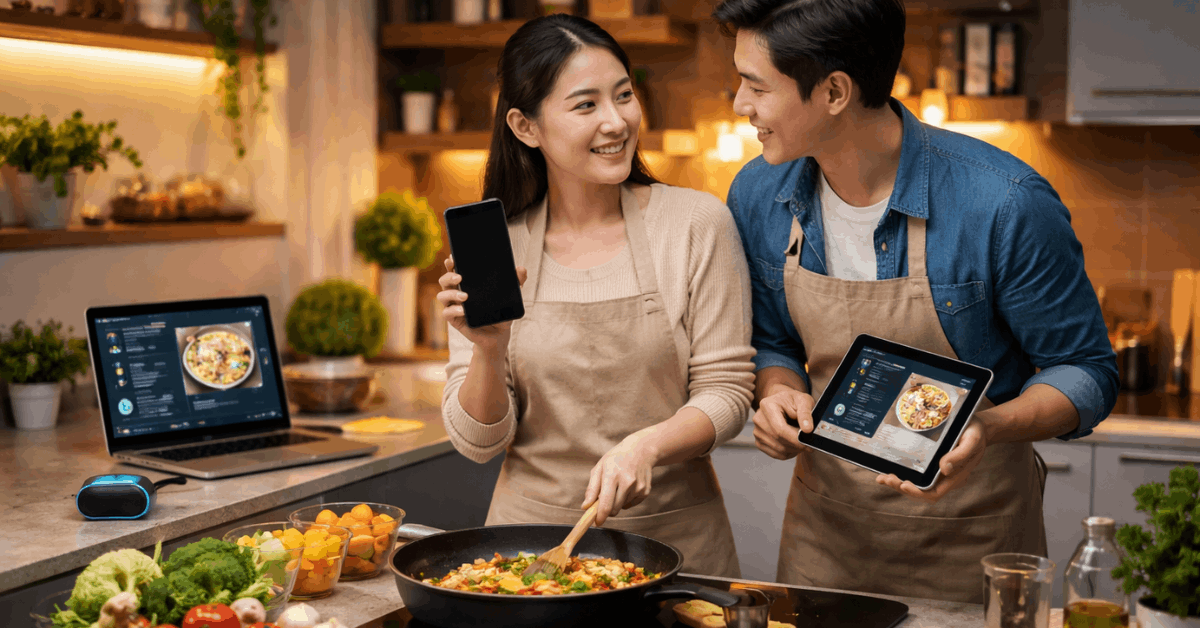
Technology continues to evolve rapidly. You should expect more advanced features in the coming years. Some systems may analyze your cooking through smart cameras.
Real-time corrections could become more precise. Inventory tracking might automate grocery planning. Integrated smart homes may coordinate appliances automatically.
Personalized nutrition plans could improve health outcomes. These developments will expand learning possibilities.
Smart Integration in Daily Cooking
Modern kitchens increasingly include connected devices. Integration makes cooking smoother and more efficient.
Smart ovens adjust heat based on recipe data. Digital scales measure ingredients accurately. Voice assistants allow hands-free guidance.
Meal planning apps synchronize with grocery lists. Data tracking helps you monitor progress. This ecosystem supports structured cooking habits.
Your Next Step Toward Smarter Cooking
You now understand how AI can support your learning process and improve your kitchen performance. Many people continue to cook with ai because it provides structure, personalization, and speed.
The key is to combine digital guidance with active practice and reflection. When you apply these principles consistently, you strengthen your skills and build long-term confidence in your cooking abilities.