
Grocery delivery jobs are now a major option in the gig economy. Many workers compare Shipt and Instacart when searching for flexible income.
Both platforms promise freedom but operate differently in pay, scheduling, and market size. This article reviews each one to help you choose the right fit.
Company Background
Understanding the background of Shipt and Instacart explains why they compete in different ways. Their history shapes how they support shoppers today.
What is Shipt?
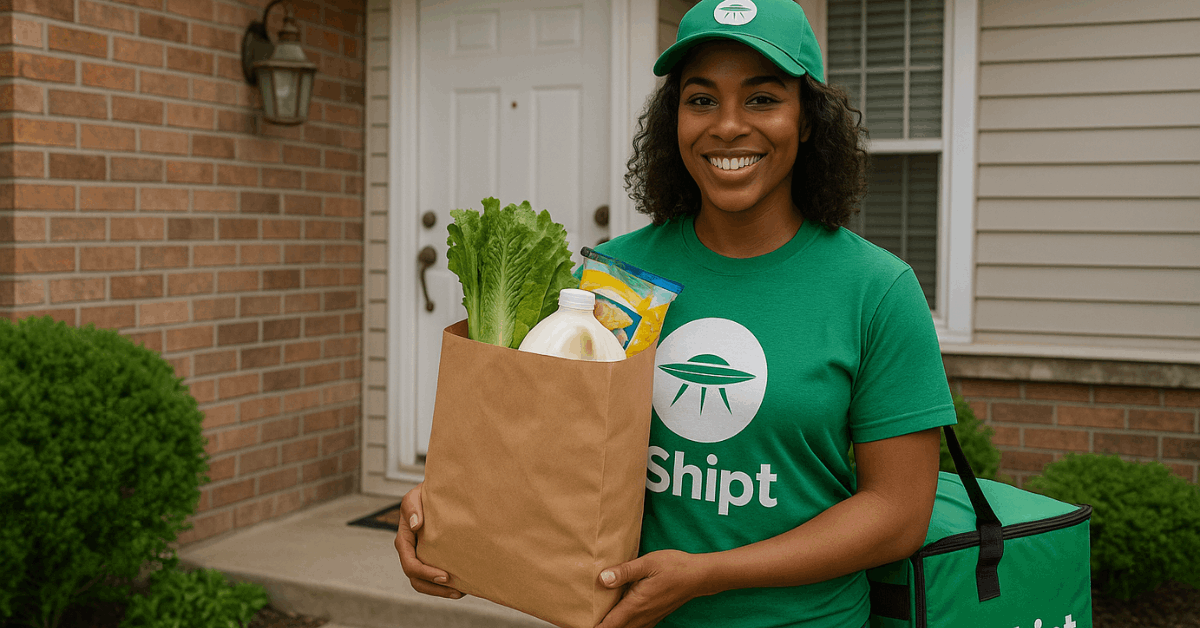
Shipt was founded in 2014 and expanded after Target acquired it in 2017. The company focuses on grocery delivery and has added essentials like household goods.
Its strong ties to Target give it a solid customer base. Shipt emphasizes personalized service and consistent shopper performance.
What is Instacart?
Instacart launched in 2012 and quickly became the largest grocery delivery platform in North America. It partners with over 500 retailers and operates in thousands of cities.
Customers place orders through the app, and shoppers handle fulfillment and delivery. Instacart’s wide coverage makes it a top choice for both customers and workers.
Job Requirements
Knowing the requirements for each service helps you prepare before applying. Both companies ask for basic qualifications that focus on safety and reliability.
Shopper Qualifications
You must be at least 18 years old to shop for Shipt or Instacart. Both require a valid driver’s license, insurance, and access to a vehicle.
A smartphone that runs the company’s app is necessary for managing orders. Shoppers should also be able to lift about 40 pounds.
Application and Onboarding
The application process is simple but detailed. Applicants fill out online forms, provide identification, and pass a background check.
Shipt includes an online orientation, while Instacart uses app-based training. Approval times depend on demand and can range from a few days to weeks.
Work Flexibility
Flexibility is a big reason people join gig platforms. Shipt and Instacart manage scheduling in very different ways.
Scheduling with Shipt
Shipt relies on scheduled blocks that shoppers claim in advance. This offers structure and allows clear planning for each week.
Shoppers who want predictable work benefit from this system. However, it limits instant work opportunities when time opens up.
Scheduling with Instacart
Instacart lets shoppers claim batches in real time through the app. This creates true on-demand work with freedom to log in at any moment.
It’s useful for part-time workers and students with irregular schedules. The downside is intense competition for high-paying batches.
Pay and Earnings
Earnings differ between Shipt and Instacart. Both rely on tips but calculate pay in different ways.
Shipt Pay Model
Shipt pays shoppers per order, not hourly. The payout depends on order size, travel distance, and customer tips.
Shoppers often report $15–$22 per hour with tips included. Bonuses may be offered during busy shopping times.
Instacart Pay Model
Instacart uses a batch payment system where each batch may include several orders. Pay depends on items, distance, and delivery conditions.
With tips, average earnings are between $14 and $20 per hour. Without tips, income can be less predictable.
Shopper Expenses and Costs
Shoppers must cover their own expenses when working. These costs reduce take-home pay and must be considered carefully.
Vehicle Costs
The biggest expenses are fuel and maintenance. Shoppers pay for gas, oil changes, and wear on their vehicle.
The more miles driven, the higher the costs. Budgeting for these vehicle expenses is necessary to calculate true income.
Work Essentials
Shoppers often purchase insulated bags to protect frozen and fresh groceries. While not always required, they improve delivery quality.
Small tools like coolers or carts can also help. These work essentials may increase upfront costs but support long-term success.
Availability and Market Reach
Market availability affects how much work is offered. Instacart and Shipt differ in scale and reach.
Shipt Coverage
Shipt is concentrated in cities where Target and partner stores operate. This gives it strength in certain regions but limited coverage overall.
Rural areas often lack opportunities. The smaller footprint reduces access for many potential shoppers.
Instacart Coverage
Instacart has a massive presence with over 14,000 cities covered. It works with more than 80,000 stores across the U.S. and Canada.
This wide network ensures more order opportunities. Shoppers almost everywhere can find work on Instacart.
Shopping Experience
The shopping process feels different between Shipt and Instacart. Shopper experiences depend on store variety and customer habits.
Shipt Shopper Work
Shipt shoppers often develop regular clients who request them frequently. This loyalty builds predictable income and stable relationships.
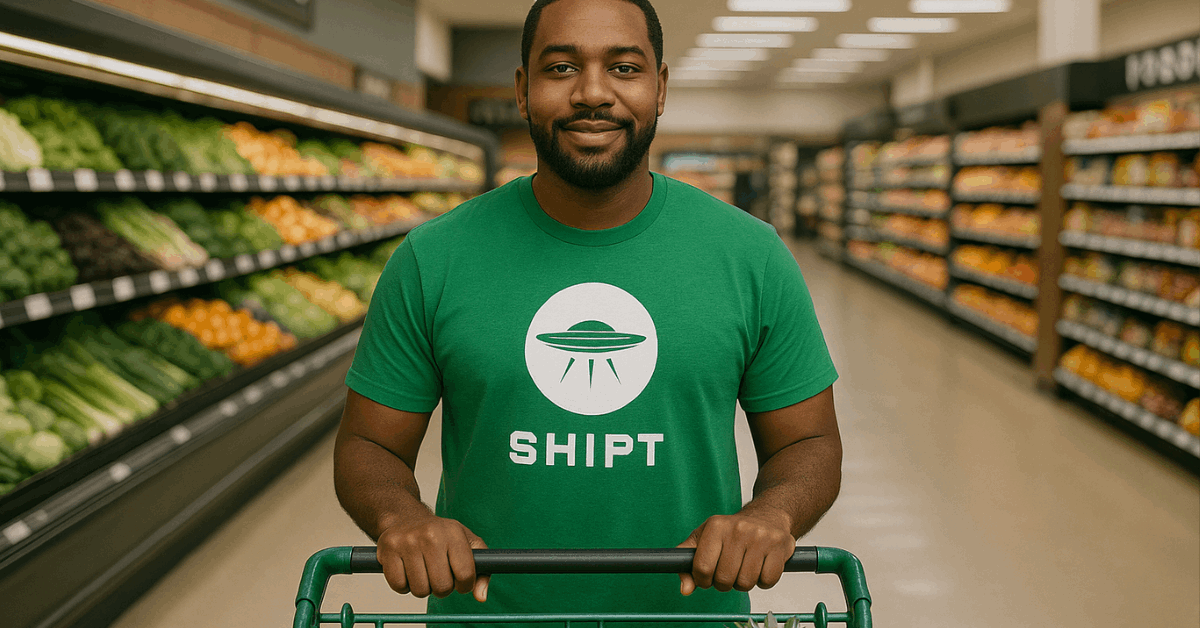
Familiarity with certain stores speeds up shopping. Many enjoy this efficiency and consistency.
Instacart Shopper Work
Instacart shoppers serve a wider range of stores and customers. This adds variety but also requires more flexibility.
Each batch may involve different retailers, which affects shopping speed. The unpredictability can be a challenge or an advantage, depending on preference.
App and Technology
The apps shoppers use play a big role in efficiency. Both companies design technology to support orders and communication.
Shipt App Features
The Shipt app helps shoppers schedule hours, track earnings, and view orders. Notifications remind workers of shifts and deliveries.
Its simple design makes it beginner-friendly. Many say it emphasizes customer service.
Instacart App Features
The Instacart app focuses on real-time batch selection. Shoppers see estimated pay, distance, and store details before accepting.
A built-in chat lets you message customers directly. The app is powerful, but competition for batches requires quick action.
Customer Interaction
Customer service impacts tips and ratings. Shipt and Instacart approach interactions differently.
Communication Styles
Shipt encourages a personal style of communication with customers. Many shoppers build friendly relationships and receive repeat requests.
Instacart relies more on in-app chat to handle updates and substitutions. This makes communication faster but less personal.
Ratings and Impact
Ratings are critical for shoppers on both platforms. High ratings unlock access to better orders and higher pay potential.
Poor ratings reduce opportunities and can lead to suspension. Keeping service quality consistent is essential.
Shopper Support
Support systems are vital for resolving problems during deliveries. Shipt and Instacart differ in how they manage shopper help.
Shipt Support
Shipt provides support through phone, email, and in-app tools. Many shoppers report fast responses and helpful solutions.
Shipt also offers community groups for advice and tips. Strong support adds to shopper satisfaction.
Instacart Support
Instacart relies mostly on its in-app support features. Shoppers report order issues or disputes directly through the app.
Some find wait times long during busy hours. Effective support remains crucial for smooth work.
Pros and Cons Summary
Summarizing pros and cons shows where each platform shines. Both have clear strengths and weaknesses.
Shipt Pros and Cons
Shipt has strengths that make it appealing to shoppers seeking predictable work. At the same time, it has weaknesses that limit opportunities compared to larger platforms.
- Predictable scheduling – Shipt allows shoppers to select blocks of time, which creates structure and helps with planning.
- Loyal customers – Many shoppers benefit from repeat clients who often tip well and request them directly.
- Steady tips – Customer relationships often lead to consistent earnings that add stability.
- Smaller coverage – Shipt operates in fewer markets, limiting access in rural or less populated areas.
- Fewer orders – Compared to Instacart, Shipt offers limited availability, which can reduce income potential.
- Best for structure – Shipt works well for shoppers who value routine and prefer working with regular customers.
Instacart Pros and Cons
Instacart appeals to shoppers who want flexibility and broad opportunities. However, it also comes with challenges that affect consistency and stress levels.
- Wide coverage – Instacart operates in thousands of cities across the U.S. and Canada, making it widely accessible.
- On-demand work – Shoppers can log in anytime and claim batches in real time, offering unmatched flexibility.
- Large store partnerships – Partnerships with major retailers provide steady demand and more order choices.
- Inconsistent pay – Earnings can vary depending on tips and batch size, leading to fluctuations.
- High competition – Popular batches go quickly, and shoppers often face strong competition for the best-paying orders.
- Best for flexibility – Instacart suits those who like variety and the ability to choose when to work.
Which is Better?
Choosing between Shipt and Instacart depends on your work goals. One offers structure, the other offers freedom.
Best for Flexibility
Instacart is best if you want to log in and work at any time. Its on-demand model suits people with irregular schedules.
This works well for students, parents, or anyone needing part-time earnings. The tradeoff is less predictability.
Best for Consistency
Shipt is better for shoppers who want routine and structure. Building loyal customers creates predictable income. Scheduled shifts make planning easier. This is ideal for those who prefer stability.
Side-by-Side Comparison Table
Here’s a breakdown of the two platforms:
- Pay: Shipt pays per order, Instacart pays per batch.
- Scheduling: Shipt uses scheduled blocks, Instacart is on-demand.
- Coverage: Shipt is limited, Instacart is nationwide.
- Support: Shipt offers direct support, Instacart is app-based.
- Customer interaction: Shipt builds loyalty, Instacart is more transactional.
Conclusion – Choosing Between Shipt and Instacart
Shipt and Instacart both provide strong opportunities for extra income. Shipt works best for shoppers who value predictable scheduling and loyal customers.
Instacart is better for those who want flexibility and wide market reach. Trying both platforms may be the smartest way to see which fits your lifestyle.