This guide explains eligibility rules, how to apply to be a Walmart Spark Driver, what the different order types mean, and what drivers report earning in 2025.
Walmart’s Spark Driver program lets you deliver Walmart and partner orders using your own vehicle and phone, on your own schedule.
It’s designed for independent contractors, not employees, so you decide when to work and which offers to accept.
What Spark Driver Is
Spark Driver is Walmart’s on-demand delivery platform.
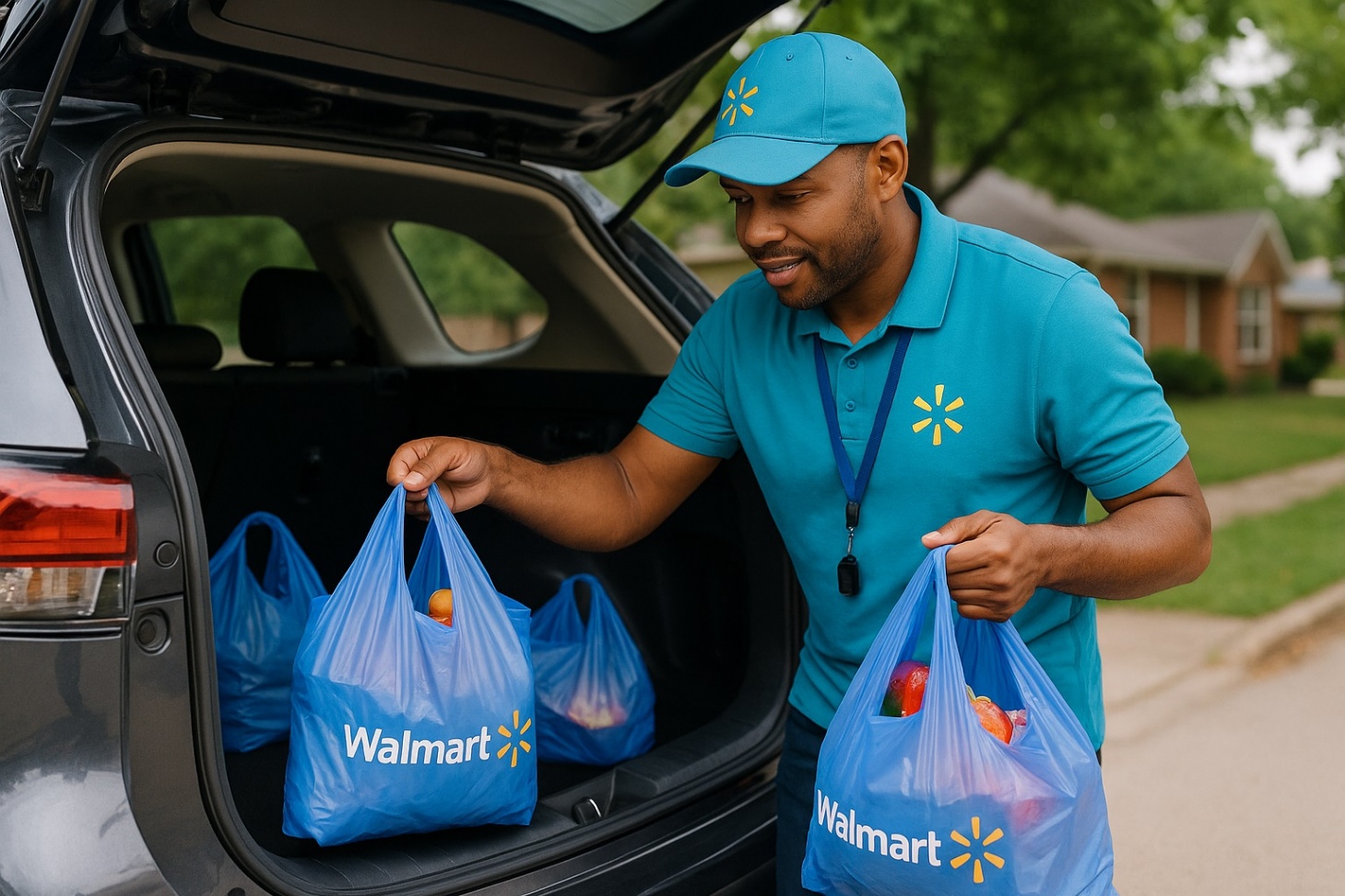
Drivers receive offers in the app to pick up and deliver online orders (groceries and general merchandise) or to shop in-store and then deliver to the customer.
You preview key details—store, estimated miles, and estimated pay—before accepting any offer.
Walmart also offers Spark Driver Rewards, which can provide limited-time perks when you meet monthly milestones and maintain high-quality metrics.
Eligibility and documents (2025)
To drive with Spark in the United States, you generally need to meet these baseline requirements:
- Be at least 18 years old.
- Have a valid U.S. driver’s license and Social Security number.
- Maintain personal auto insurance for the vehicle you use to deliver.
- Have a reliable vehicle and a smartphone with a camera and GPS.
- Consent to background screening (motor-vehicle record and criminal checks) consistent with applicable law.
- Identity checks typically require your REAL ID or driver’s license, your Social Security card, and a selfie.
- Insurance uploads must clearly show your name, coverage dates, and vehicle details.
Requirements can vary slightly by state and partner, so keep your documents current and legible.
How to Apply to Be a Walmart Spark Driver
Applying to be a Walmart Spark Driver is simple.
Step 1 — Check your zone and begin enrollment
Create your Spark Driver account with your phone or email, then choose a preferred delivery zone.
If the zone is open, you can proceed right away; if it’s waitlisted, you can still submit your info, and you’ll be notified when spots open.
Step 2 — Enter personal details and consent to screening
Provide your legal name, address, date of birth, and Social Security number. You’ll e-sign consents for background and driving record checks.
Screening timelines vary by market and vendor; some applicants clear in days, others wait longer—especially if your zone is at capacity.
Step 3 — Upload insurance and verify identity
Upload clear photos of your auto insurance showing your name and expiration date.
Plus front/back images of your driver’s license (or REAL ID) and your Social Security card.
You’ll also complete a selfie check to match your ID.
Step 4 — Sign the driver agreements
When cleared or moved off a waitlist, you’ll be prompted to sign the Spark Driver Agreement and related app terms.
These documents confirm you’re contracting as an independent business, set expectations for using the app, and describe grounds for suspension.
Step 5 — Install the app and sign in
Download the Spark Driver app from the Google Play Store or Apple’s App Store and sign in with your new credentials.
You’ll gain access to offers only after your account is fully approved and your zone is active.
Step 6 — Learn offer types before your first run
Common offer types include Delivery (curbside pickup to doorstep), Shopping & Delivery (you shop in-store, then deliver), and, less frequently, Returns.
Expect both Round Robin and First-Come offers.
Read each offer card carefully for store location, mileage, batch size, and estimated pay, including any tip.
Step 7 — Start delivering and build your metrics
As you complete trips, your acceptance/cancellation behavior, on-time performance, and customer feedback will shape your “My Metrics.”
Strong metrics can improve your access to higher-quality Round Robin offers and unlock perks in the monthly Rewards program.
What Spark Drivers earn (reported salaries)
Spark pays per offer, not by the hour, but drivers commonly track an effective hourly rate. In 2025, reported earnings cluster in these bands:
- Typical range: About $15–$25 per hour after combining base pay with tips, depending on market demand, order mix, and your efficiency.
- Peaks: Some drivers report $30+ per hour during high-demand windows, strong tipping periods, or when incentive bonuses are active.
- Lows: In slower zones or off-peak times, effective hourly earnings can dip below the typical range, especially if you’re driving long distances between orders.
Earnings depend on many factors: the competitiveness of your zone, how quickly you stage orders, traffic patterns, and how often you’re online during local peaks.
Tips are an important component of pay.
Walmart and its partners also run periodic bonuses—particularly around holidays—that can materially increase your weekly totals.
Contractor status, insurance, and taxes
Spark treats drivers as independent contractors. For taxes, you’ll receive 1099 income rather than a W-2.
You can drive for other platforms simultaneously, and you’re responsible for your business expenses—fuel, maintenance, phone data, supplies, and time.
Most drivers set aside a portion of earnings—often 25–30% of net profit—for income and self-employment taxes.
Track mileage from day one to claim the IRS standard mileage deduction or actual expenses.
Timelines and Deactivations
Approval timelines vary based on background screening, document review, and zone capacity. There is no guaranteed turnaround time.
You’ll receive status updates by email or text as your application moves through each stage.
Once you’re active, expect periodic re-checks of documents and eligibility consistent with local laws and platform policies.
Keep your documents current, follow store pickup procedures, and communicate proactively with customers to protect your metrics.
Practical Tips to Maximize Your Results
Consider all when you consider how to apply to be a Walmart Spark Driver.
Work the right hours
Watch your zone to learn when Round Robin offers tend to appear.
Grocery peaks often occur in the late afternoon and early evening; Saturday morning can also be strong.
Start simple, then scale
Begin with delivery-only orders to learn store flow and loading areas.
Add Shopping & Delivery after you’re comfortable navigating the store and scanning items efficiently.
Read offer cards closely
Consider miles, item counts, apartment/condo delivery complexity, and likely parking.
Declining long, low-pay trips can improve your average, but avoid excessive cancellations that might hurt metrics.
Protect your metrics
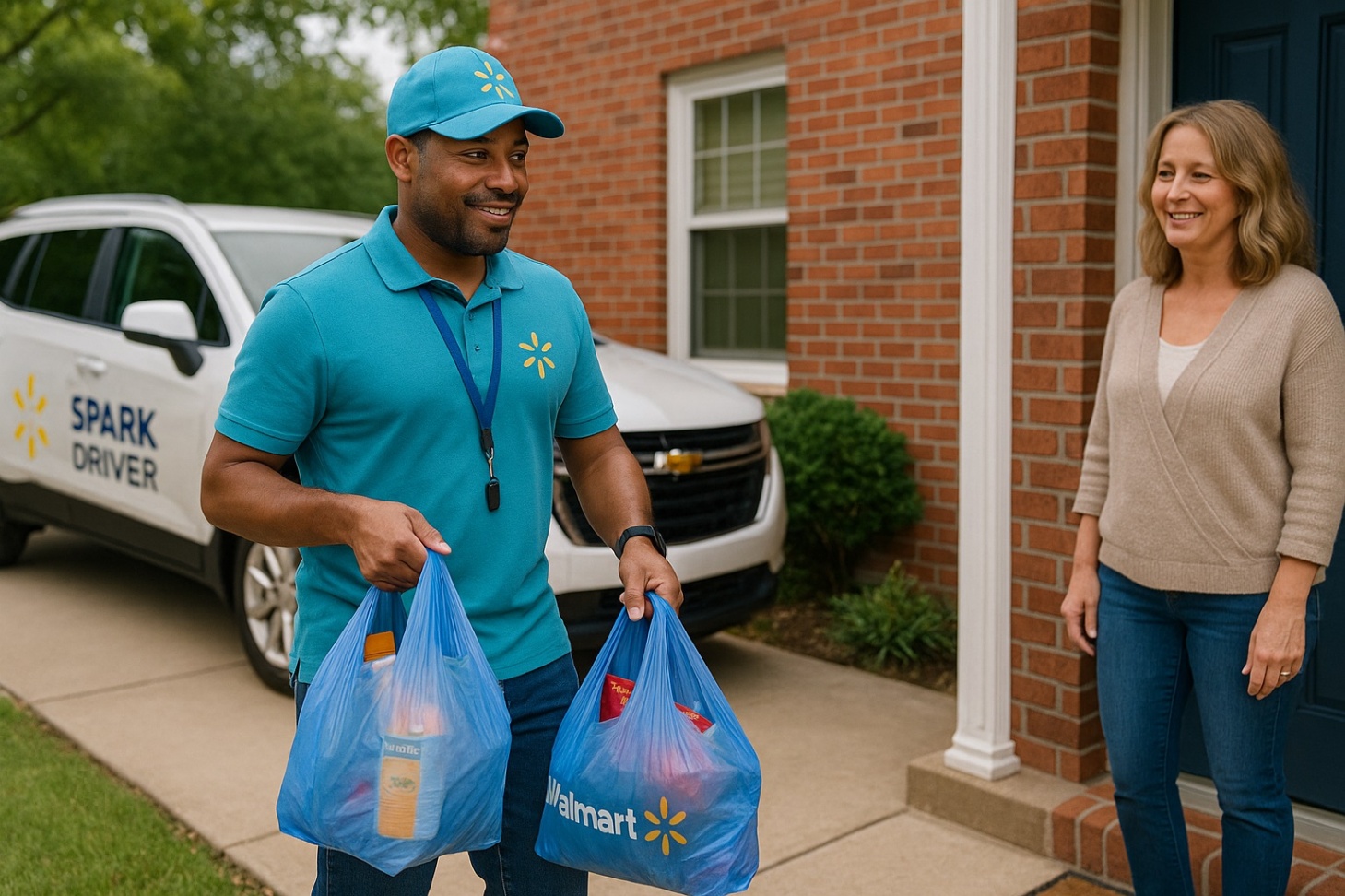
Be on time, follow pickup instructions, and message customers if you’re delayed.
Clean, careful handling of groceries prevents complaints that could impact your ratings.
Track true profit
Log mileage and expenses so you know your real take-home pay after gas and wear-and-tear.
Adjust your strategy—zones, hours, and offer mix—based on actual profitability.
Bottom Line
Most drivers report effective hourly earnings in the mid-teens to mid-twenties, with tips and periodic incentives creating wide variation by market and timing.
If you value schedule control and are comfortable operating as a 1099 contractor, Spark can be a flexible way to earn with your car and your phone.