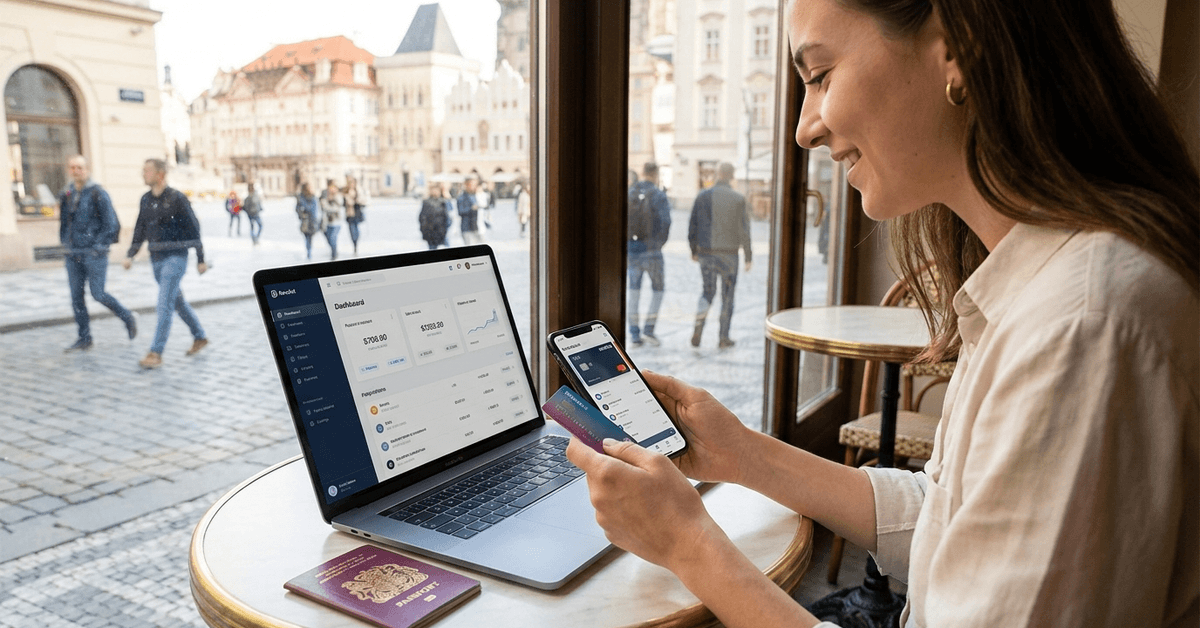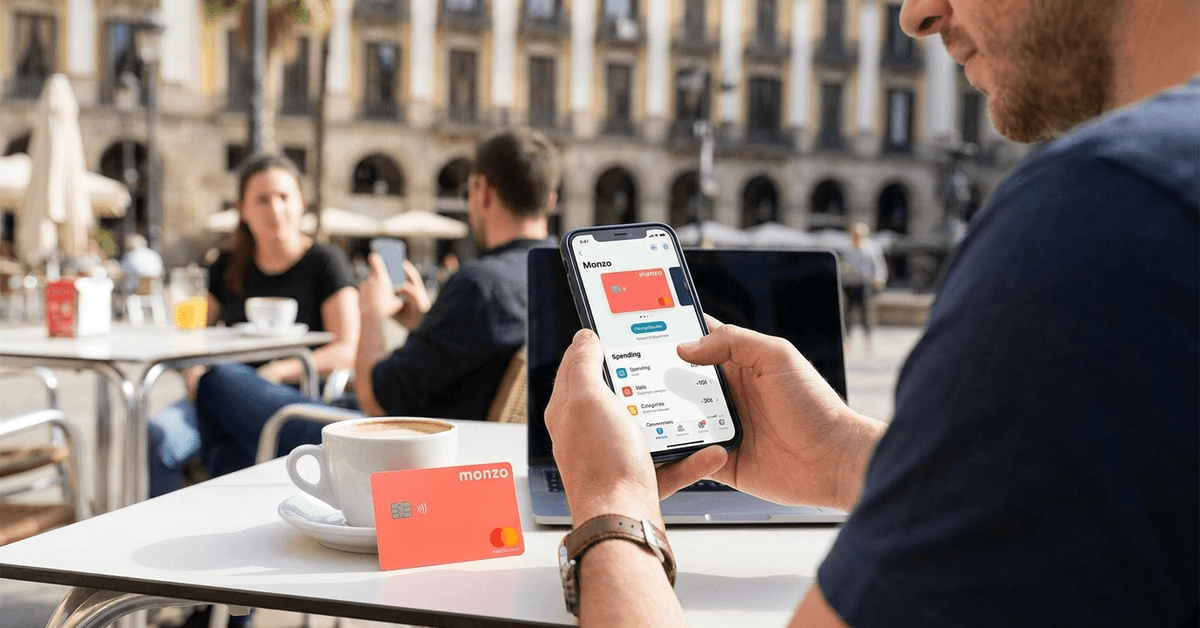
A British or American expat opens their first Spanish bank account and immediately notices something missing. The cashback rates they took for granted back home barely exist here.
Spain’s cashback credit card market is growing, sure. But the gap between what’s advertised and what lands in your account each month can feel almost comical.
This guide breaks down the real options for expats and foreign residents trying to squeeze any measurable return out of their Spanish spending in 2026.
Why Spanish Cashback Rates Feel Like a Downgrade
If you moved to Spain from the UK or the US, the first shock is how modest the cashback percentages are. A 2% flat-rate card is standard in America. The typical Spanish cashback card offers somewhere around 0.5% to 1%, often with caps.
That difference matters when your monthly spending runs through a single card. An expat spending €2,000 per month on groceries, fuel, and dining earns maybe €10 to €20 in cashback from a Spanish issuer.
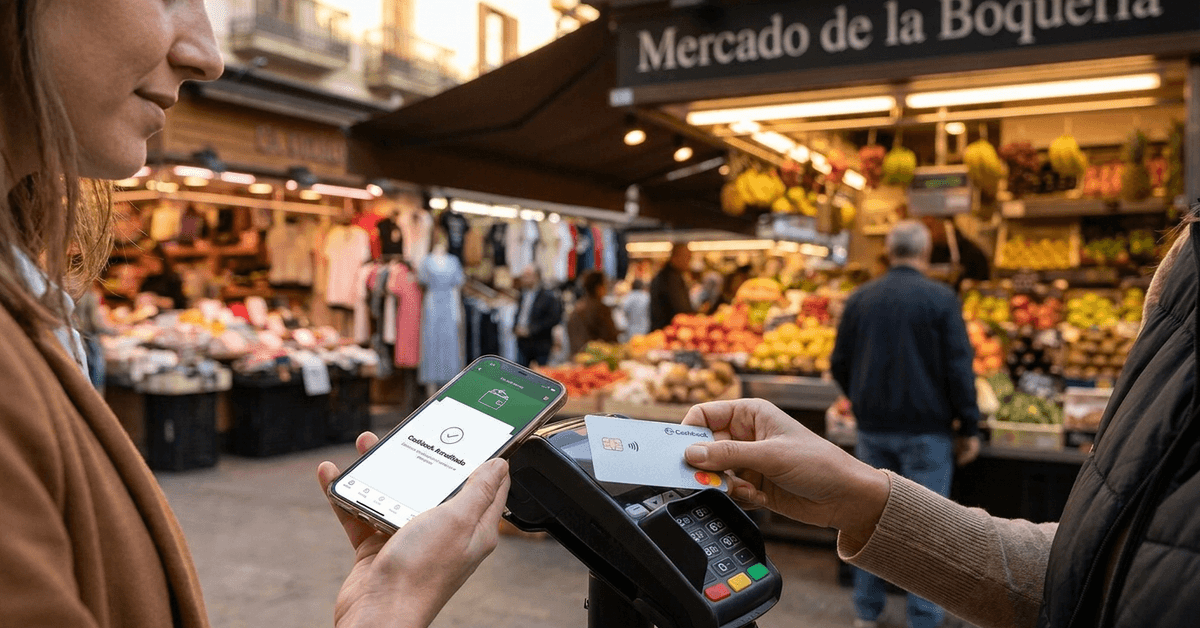
The same spending on a US-based card would return €40 or more. I’d estimate that for an expat spending €2,000 monthly through Banco Santander’s One Crédito card, the annual cashback return sits well under €200 after category limits kick in.
The low rates trace back to EU interchange fee regulations. The EU capped interchange fees at 0.3% for credit cards back in 2015, and Spanish banks have less margin to fund generous rewards programs.
American and British banks operated under higher interchange ceilings for years, which is why their cashback programs felt so much richer.
Do EU Interchange Caps Kill the Cashback Game?
Partially. The 0.3% cap on credit card interchange means Spanish banks earn less per transaction than their American counterparts. That leaves a thinner pool to redistribute as rewards.
Some banks supplement cashback programs through annual fees or by steering spending into partner merchants who pay the bank directly. The result: Spanish cashback cards tend to be stingier, more conditional, or both.
Banco Santander, BBVA, and CaixaBank: The Big Three Cashback Cards Compared
Each of Spain’s large banks has a cashback product, and they all work differently enough that picking the wrong one can cost you the little return available.
Banco Santander One Crédito
Banco Santander One Crédito pays a small cashback percentage across categories.
The card has a monthly maintenance fee, though Santander sometimes waives it if you meet conditions like direct deposit (domiciliación de nómina) or maintaining a minimum balance.
For expats already banking with Santander, the card slots in without friction. For everyone else, opening a full Santander relationship just for this card probably isn’t worth it.
BBVA Aqua Más
BBVA Aqua Más leans harder into digital features and security. The card generates a new CVV for each online purchase, which appeals to anyone nervous about card fraud. Cashback on select purchases tends to focus on digital and recurring payments.
The app experience is strong, and BBVA’s interface is available in English, a detail that matters more than any cashback rate for expats still learning Spanish.
CaixaBank MyCard
CaixaBank MyCard runs promotional cashback rates that change based on campaigns. New customers sometimes get a boosted rate for the first few months.
The catch: those rates drop after the promotional period, and the standard cashback is unremarkable. Checking the current terms on CaixaBank’s official site before applying avoids surprise.
| Feature | Santander One Crédito | BBVA Aqua Más | CaixaBank MyCard |
|---|---|---|---|
| Cashback Type | Flat-rate, modest % | Category-based (digital/recurring) | Promotional, then standard |
| Annual/Monthly Fee | Monthly fee, waivable | Varies by account package | Depends on relationship |
| English App Support | Limited | Strong | Partial |
| Best For | Existing Santander customers | Security-focused, digital spenders | Promo chasers willing to switch |
The takeaway: none of these cards will make a real dent in your budget. The differences between them are more about convenience and banking relationship than raw cashback value.
American Express Cashback in Spain: Overhyped for Expats
I think the conventional wisdom that Amex is the best cashback card in Spain is wrong, specifically because of the acceptance problem. American Express offers a higher cashback rate than any Spanish bank card.
That part is true. But walk into a neighbourhood frutería, a local bar, or a small ferretería and try paying with Amex. The card gets declined at a surprising number of Spanish merchants.
Visa and Mastercard domination in Spain is near-total for everyday spending. Amex works at large retailers, chain restaurants, and online. But an expat’s spending pattern in Spain typically involves dozens of small, independent shops where Amex acceptance is spotty at best.
The Math on Amex’s Higher Rate vs. Lost Transactions
If 30% of your monthly spending happens at merchants that don’t accept Amex, you lose cashback on that slice entirely.
A higher rate on 70% of your spending can end up returning less than a lower flat rate on 100% of it. Add the annual fee that Amex charges, and the equation tips further. My take on this: an expat living in Madrid or Barcelona, shopping primarily at El Corte Inglés and Mercadona, might break even with Amex.
But an expat in a smaller city like Granada or Cádiz will find acceptance gaps that erase the rate advantage. The card works better as a secondary option than a daily driver.
Hidden Details That Change Which Card Wins
Beyond the headline cashback rate, a few specifics separate a decent card from a disappointing one in Spain.
Cashback Caps and Category Limits
Some Spanish cards cap monthly or quarterly cashback earnings.
A card offering 1% cashback but capping rewards at €15 per month gives you less than a 0.5% card with no cap if your spending exceeds €3,000 monthly. Always check the earning ceiling, not just the percentage.
Redemption Method Matters
A few Spanish bank cards require manual redemption through the banking app or website. Automatic statement credit is the standard, but cards with manual steps mean cashback sits unclaimed if you forget to request it.
BBVA’s system tends to credit automatically, while some CaixaBank promotions require activation through the app.
Annual Fee Traps on “Free” Cards
Cards marketed as free often have conditions attached:
- Minimum monthly spend thresholds to avoid the fee kicking in
- Required domiciliación bancaria (direct deposit of salary) to the issuing bank
- Bundled insurance or services that inflate the cost if you don’t cancel them
Read the condiciones generales before signing. The fee waiver conditions change, and what was free at sign-up may not stay free after 12 months.
Tax Treatment of Cashback for Expats in Spain
The Agencia Tributaria generally treats personal cashback as a purchase discount rather than taxable income. That means cashback earned on a personal Spanish credit card doesn’t need to appear on your declaración de la renta. Good news.
The exception sits with business cards. If you’re an autónomo using a business credit card and receiving cashback, the treatment may differ. Cashback on business expenses could be viewed as a reduction in deductible costs rather than a discount. A gestoría or tax advisor familiar with autónomo obligations should weigh in before you assume the same rules apply.
This distinction rarely shows up in English-language comparisons of Spanish cashback cards, but for the freelancer or self-employed expat, it changes the after-tax value of the rewards.
Getting More Out of a Low-Reward System
Spanish cashback rates are low. That part won’t change soon given EU regulation. But a few habits push the return higher without forcing unnatural spending:
- Route all recurring bills (electricity, internet, phone, insurance) through the cashback card to hit any minimum spend thresholds
- Stack cashback with merchant-specific promotions that Spanish banks occasionally run through their apps
- Pair a Spanish cashback card with a Curve card to consolidate spending and switch transactions between cards retroactively
- Pay the full statement balance every month, because interest charges on Spanish credit cards (often 18% to 24% TAE) destroy any cashback gain instantly
The Curve pairing is something I’d push hard for expats holding both a Spanish and a foreign card. Curve lets you spend on one card and reassign the transaction to another within 30 days.
That flexibility means you can route Amex-friendly purchases to Amex for the higher rate and everything else to your Spanish Visa card, all from a single card in your wallet.
Questions People Ask About Cashback Credit Cards in Spain
These come up constantly in expat forums and deserve straight answers.
- Q: Are cashback credit cards in Spain worth it for small spenders?
Honestly, if your monthly card spending stays below €500, the cashback return is negligible on any Spanish card. The real benefit at low spending is building a Spanish credit history, which matters for mortgage applications and rental agreements. - Q: Can I use a foreign cashback card in Spain instead?
Technically yes, but foreign-issued cards often charge currency conversion fees of 1.5% to 3%, which wipes out any cashback. A multi-currency card like Wise or Revolut avoids conversion fees but offers zero cashback on spending. - Q: Do Spanish cashback cards work for online shopping on non-Spanish sites?
They do, though purchases in non-euro currencies may trigger a foreign transaction fee. Check your card’s terms for purchases on Amazon.com (US) versus Amazon.es. The fee difference can be 1.5% or more per transaction. - Q: How long does it take to receive cashback from Spanish banks?
Timing varies. Santander and BBVA typically credit cashback monthly. CaixaBank promotional cashback sometimes arrives quarterly or at the end of a campaign period. Manual redemption cards add extra delay if you don’t claim promptly. - Q: Is it possible to hold multiple cashback cards from different Spanish banks?
Nothing prevents it. Holding cards from two banks and splitting spending by category can increase total return. The administrative overhead of managing two banking relationships is the main downside.
Conclusion
Spanish cashback cards won’t replicate the generous returns expats remember from the UK or US.
The EU interchange cap limits what any bank can realistically offer on rewards. Smart card pairing and spending routing can double a modest return without extra cost.
The best move is treating cashback as a small bonus on spending you’d do anyway, never as a reason to spend more.