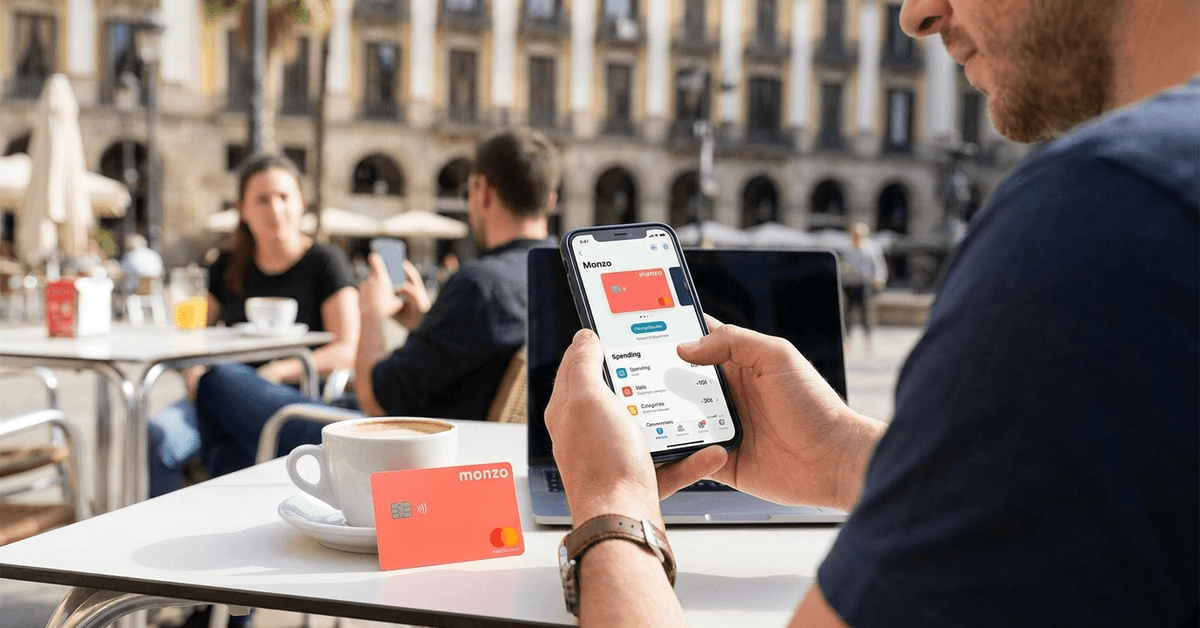
A digital nomad sitting in Lisbon, watching 3% vanish from every coffee purchase, knows the sting. Travel cards for international payments promise to kill those charges.
“No foreign fee” is marketing copy, not a financial guarantee. Weekend surcharges, ATM caps, and hidden exchange margins quietly eat into the savings these cards advertise.
I compared Wise, Revolut, N26, and traditional bank travel cards to find which costs are real and which dissolve into fine print.
Why “No Foreign Transaction Fees” Still Costs Money
The phrase sits on every fintech landing page. It sounds like free international spending. But transaction fees are only one of several charges built into travel cards for international payments, and the other charges are harder to spot.
Weekend and Off-Hours Exchange Rate Markups
Revolut applies the interbank exchange rate on weekday currency conversions. On weekends, a markup of 0.5% to 1% kicks in because forex markets close Friday evening and reopen Monday morning.
A $500 hotel booking on a Saturday afternoon costs $2.50 to $5.00 more than the same booking on Wednesday.
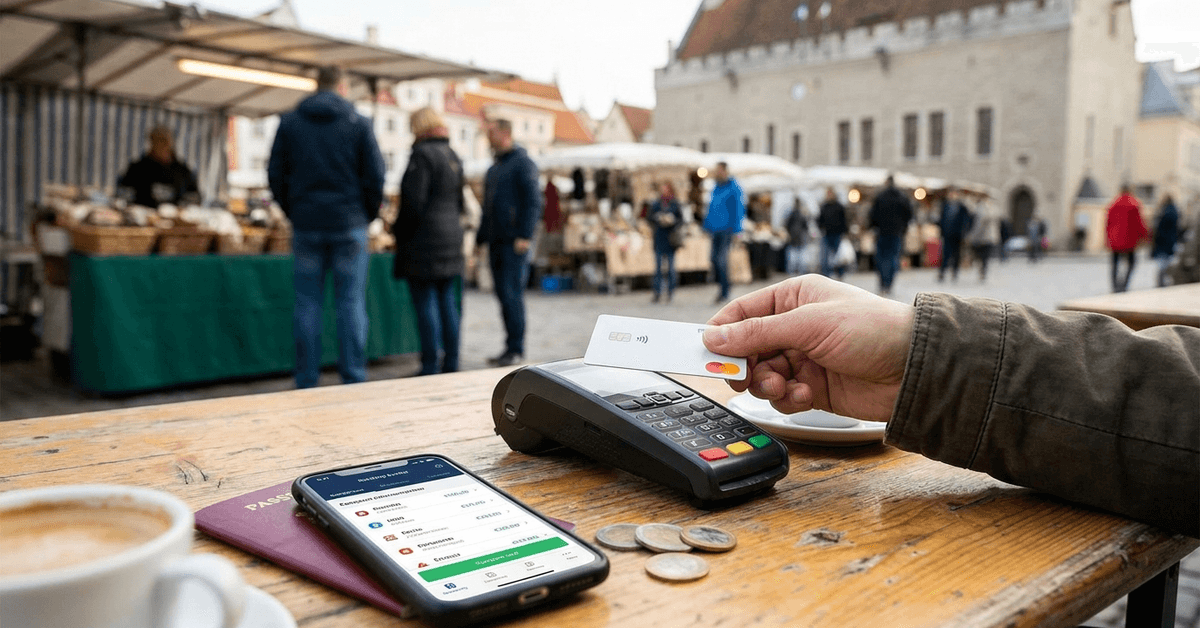
Wise avoids this trap. It uses its own rate calculations that stay consistent through the weekend. But Wise charges a small upfront conversion fee per transaction instead, so the cost shifts to a different line item.
The distinction matters if heavy spending happens on weekends. Dinners, markets, excursions: that’s when travel spending spikes for people abroad.
ATM Withdrawal Caps That Quietly Add Up
Wise allows roughly $100 per month in fee-free ATM withdrawals on its standard plan. After that, a 1.75% fee applies. Revolut’s free tier caps fee-free withdrawals at around $200 per month, then charges 2%.
N26’s standard account offers a handful of free ATM withdrawals per month depending on the country, with fees kicking in after the cap.
For a digital nomad pulling cash for rent, taxis, and street food across Southeast Asia or Latin America, $200 per month in free ATM access disappears fast. The post-cap fees can rival what a traditional bank card charges outright.
Some providers reset these limits by calendar month, not rolling 30-day windows. A withdrawal on March 30th and another on April 1st could both fall within a fee-free window.
Comparing Wise, Revolut, N26, and Bank Travel Cards Side by Side
Each of these providers markets itself as the smarter choice for international spending. The real differences between them are specific enough that the right pick depends on how and where someone spends money, not on which has the slickest app design.
How Wise Handles Exchange Rates
Wise built its reputation on the mid-market exchange rate: the rate banks use when trading currencies with each other. The card passes that rate directly to the user, then adds a small, visible fee per conversion. This fee varies by currency pair but sits between 0.35% and 1% for common pairs.
I think Wise’s transparency on conversion fees is the single biggest advantage any travel card offers in 2026. The fee appears before every transaction inside the app, so there are no surprises after the fact.
The trade-off is a lower ATM withdrawal allowance compared to Revolut. For travelers who rarely pull cash, that trade-off barely registers. For cash-heavy destinations like Vietnam or Colombia, it becomes a problem.
Revolut’s Free Plan vs. Its Premium Tiers
Revolut splits its offering across Free, Plus, Premium, and Metal tiers. The free plan gives access to interbank exchange rates during weekday market hours and caps fee-free ATM withdrawals at approximately $200 per month.
Premium and Metal plans raise that ATM cap and remove the weekend exchange rate surcharge entirely. But those plans cost between $8 and $17 per month.
A traveler spending less than $1,000 per month abroad may never recoup the subscription cost through saved fees. Do the math before upgrading: the premium only pays for itself at higher spending levels.
N26 and Traditional Bank Travel Cards
N26 is a mobile-first bank based in Europe. Its standard account carries minimal foreign fees and a clean mobile app.
The catch: availability depends on residency regulations and local licensing, which blocks access for travelers outside European Economic Area countries. Traditional bank travel cards from companies like Travelex or major international banks bring stronger customer support and brand familiarity.
But their exchange rates tend to include wider margins, and reloading at airport kiosks often means paying an extra spread on top of the posted rate. The table below breaks down the fees that matter most across all four:
| Feature | Wise | Revolut (Free) | N26 (Standard) | Traditional Bank Card |
|---|---|---|---|---|
| Exchange Rate | Mid-market + small fee | Interbank (weekday only) | Near mid-market | Bank-set margin |
| Weekend Surcharge | None | 0.5% to 1% | None | Varies by issuer |
| Free ATM Limit/Month | ~$100 | ~$200 | Varies by country | Varies widely |
| Post-Cap ATM Fee | 1.75% | 2% | Varies | Flat fee common |
| Monthly Subscription | None | None | None | Possible annual fee |
Revolut’s free tier wins on ATM allowance, but Wise wins on exchange rate consistency across all hours and days of the week.
A Two-Card Setup Beats Any Single Travel Card
I disagree with the advice to pick one travel card and commit to it for all international spending.
No single card covers every situation, and the gaps are specific: one card may handle purchases well but penalize ATM use, or offer great rates on weekdays but mark up weekends. The two-card approach sounds annoying until you see the numbers.
Pairing a Credit Card With a Fintech Debit Card
A no-foreign-fee credit card handles restaurant bills, hotel bookings, and online purchases. It carries purchase protection and fraud coverage that debit cards and prepaid cards rarely match. A Wise or Revolut debit card then covers ATM withdrawals at mid-market rates.
This combination means the credit card never touches an ATM (avoiding cash advance fees that often run 3% to 5%), and the debit card never handles a large purchase (avoiding weaker fraud protections).
Each card does what it does best, and neither gets forced into a role it handles poorly.
Prepaid Travel Cards Deserve More Skepticism
Prepaid cards lock the exchange rate at the moment of loading. If the rate improves after loading, that improvement is gone.
Travelex and similar kiosk-loaded cards are especially costly because their load rates include a built-in margin. That margin can be worse than the 2% to 3% foreign transaction fee the card was supposed to replace.
I would skip prepaid travel cards for any trip longer than two weeks, based on the exchange rate lock-in risk alone. A Wise multi-currency account lets a traveler hold funds in different currencies and convert at the time of spending, not loading. The flexibility difference is enormous for anyone moving between countries.
Mistakes That Empty a Travel Card Faster Than Expected
Even a strong travel card setup leaks money if a few common traps go unchecked. Some of these are technical, and some are habits nobody corrects until the statement arrives.
Dynamic Currency Conversion at the Register
When a shop terminal or ATM abroad asks, “Pay in your home currency?” the answer should always be no.
That option triggers dynamic currency conversion, where the merchant’s bank picks the exchange rate instead of the card issuer. The markup on these conversions can run 3% to 5% above the mid-market rate.
The question appears on card machines and ATMs in tourist-heavy areas almost everywhere. It looks like a convenience. It is a fee disguised as a favor.
Reporting Rules and Card Compliance Abroad
Some countries require residents to declare foreign-held accounts above certain balances. A digital nomad spending six months in Portugal or Germany on a Wise account funded from a U.S. bank might fall into local reporting requirements without realizing it.
GDPR rules govern how European fintech providers store personal and financial data, but tax reporting obligations are separate and depend on residency status.
Mistakes that cost money or create headaches tend to follow these patterns:
- Accepting dynamic currency conversion at ATMs or card terminals instead of always paying in the local currency
- Exceeding fee-free ATM withdrawal caps without checking the monthly statement, where per-transaction fees stack up silently
- Loading a prepaid card at an airport kiosk where the exchange rate markup sits 4% to 8% above mid-market
- Failing to verify whether a fintech card works in a specific country before arriving: N26, for example, has geographic restrictions tied to licensing
A second set of mistakes is less obvious but drains money just as fast:
- Leaving a lost card unfrozen because the app notification was turned off: unauthorized charges abroad can pile up within minutes
- Converting a large balance to a foreign currency before a trip, which locks in the rate and prevents benefiting from later improvements
- Skipping two-factor authentication on the card’s app, which some providers require before approving transactions above a set threshold
Questions People Ask About Travel Cards for International Payments
A few questions that come up constantly in travel forums and fintech communities. Quick answers that add to what’s covered above.
- Q: Do travel cards work in every country?
Card acceptance varies by region and network. Visa and Mastercard have the widest global reach, but some rural areas and smaller vendors only take cash or local payment apps. Checking the card network before departure prevents awkward moments at checkout. - Q: Can I use a travel card for online purchases in foreign currencies?
Yes, and this is one area where fintech cards perform well. The same exchange rate and fee structure apply whether the purchase is in person or online, so a subscription billed in euros follows the same rules as a coffee in Berlin. - Q: Are travel cards safe to use at international ATMs?
As safe as any debit or credit card, assuming the basics are covered: using ATMs inside banks rather than standalone machines, declining dynamic currency conversion, and keeping app notifications turned on. Instant card freezing through the app is available on Wise, Revolut, and N26 if something looks suspicious. - Q: Should I get a travel card if I only travel once a year?
A no-foreign-fee credit card is probably enough for an annual vacation. Travel-specific fintech cards make more financial sense for travelers spending abroad frequently, where the fee savings compound over dozens of transactions each month. - Q: Do travel cards charge fees for currency conversion between held balances?
Some do. Wise charges a small conversion fee when moving money between currency balances inside the app. Revolut’s free tier uses interbank rates on weekday conversions but adds a weekend markup. Checking the fee schedule for internal conversions, not just spending, is worth a few minutes before committing.
Conclusion
The right travel card setup depends on spending location, frequency, and cash needs abroad. No single card eliminates every international fee, despite what “no foreign fee” labels suggest.
Pairing a fintech debit card for ATM pulls with a no-foreign-fee credit card covers wider ground. Declining dynamic currency conversion and timing withdrawals around monthly caps saves more than card selection alone.