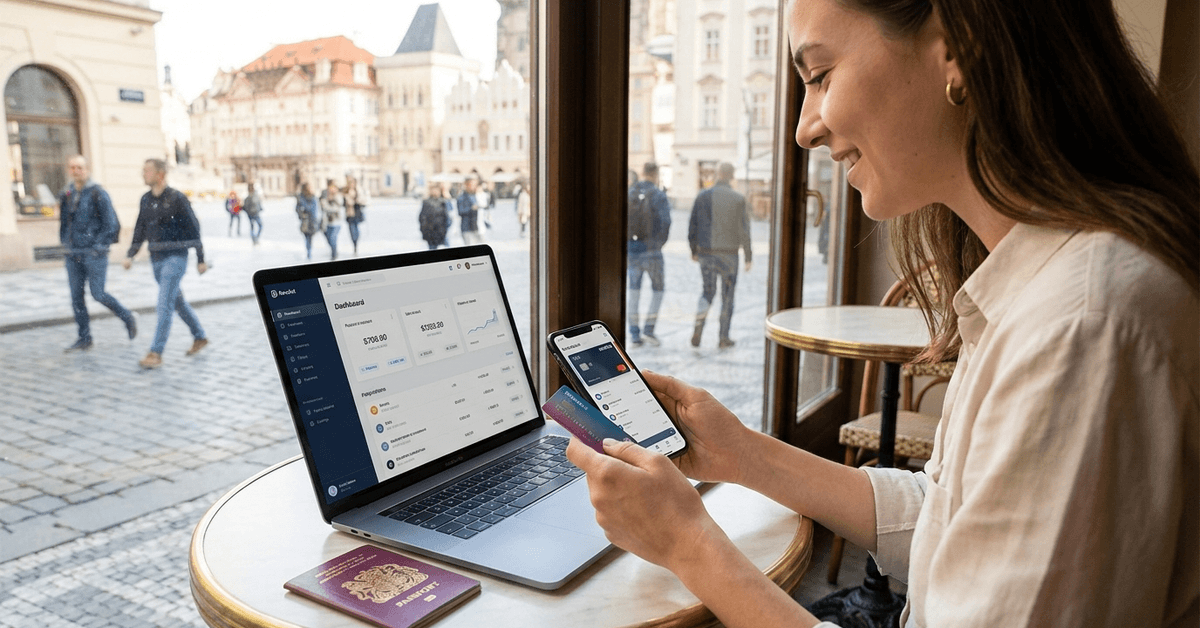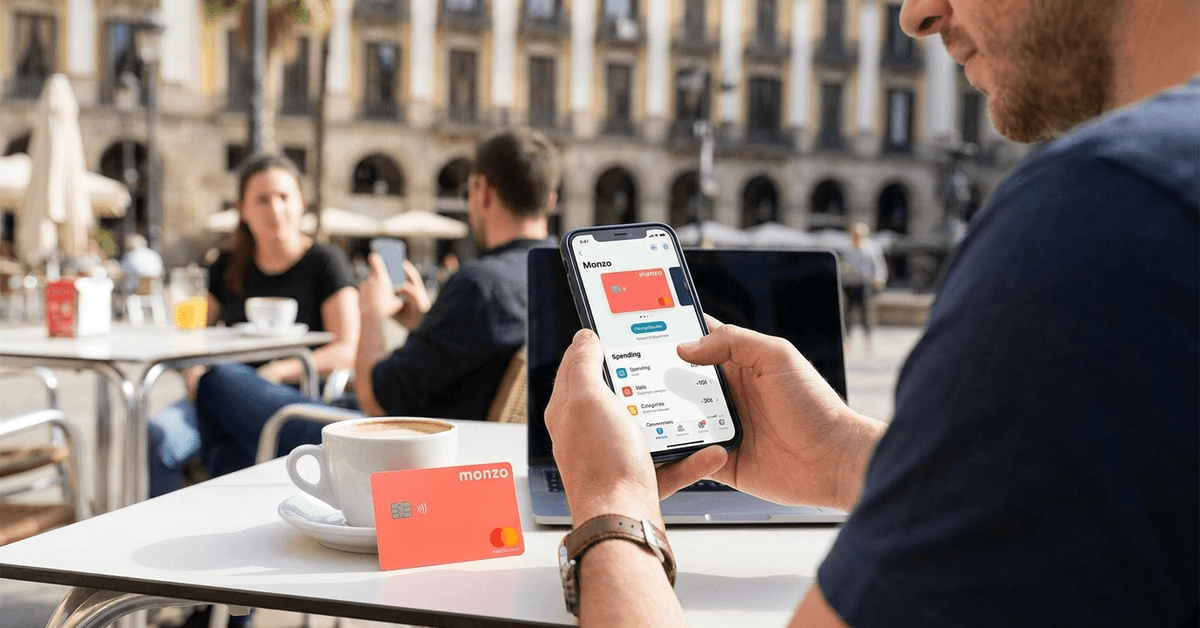
Credit cards can make everyday spending easier when you know exactly how the rules work. This ING Bank Romania credit card guide walks you through ING Credit Card features, costs, and the key steps to apply and manage it in Home’Bank.
You will learn how installments and ING Bazar offers function, plus when interest starts and which fees you should expect.
The aim is to help you avoid common mistakes that raise total cost. You will also find official support contacts for urgent situations. Use this as a checklist before you apply.
How The ING Credit Card Works For Everyday Purchases
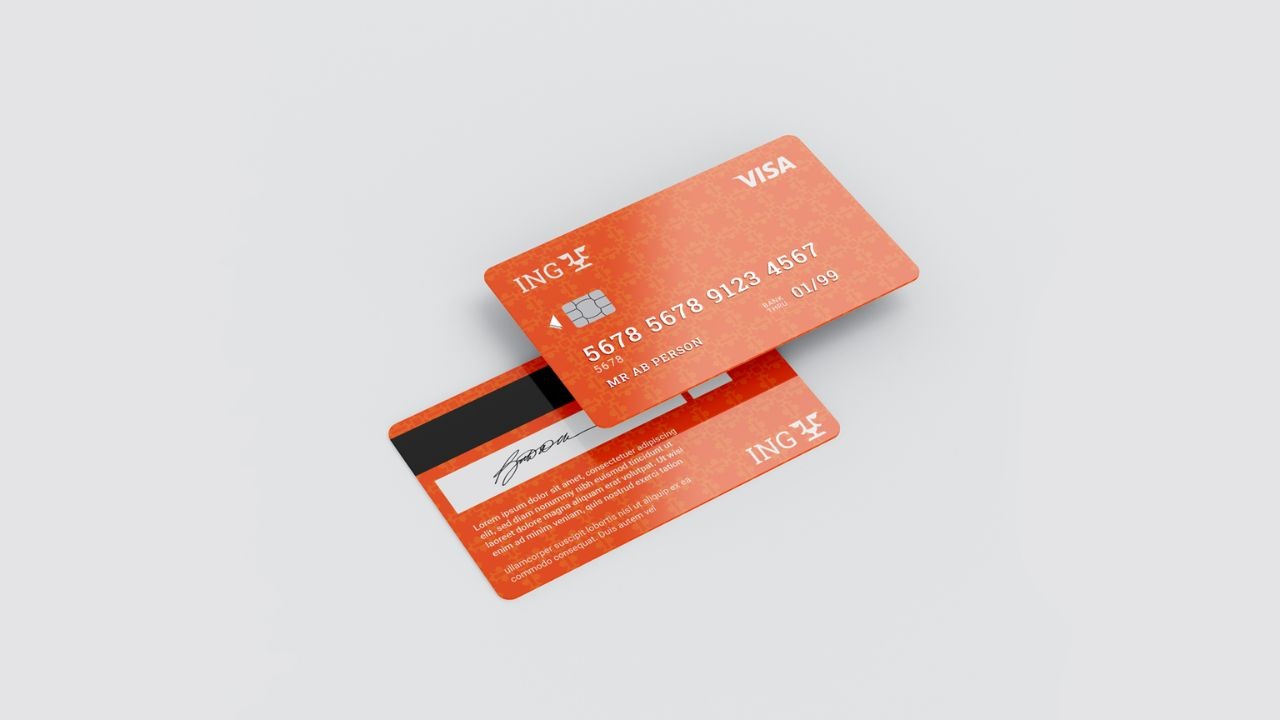
ING Credit Card is designed for shopping payments you control in Home’Bank, with options that change how you repay.
The product highlights installment flexibility, partner-based plans, and points offers, but your timing matters. If you treat it like a short-term tool and repay correctly, you can keep costs predictable.
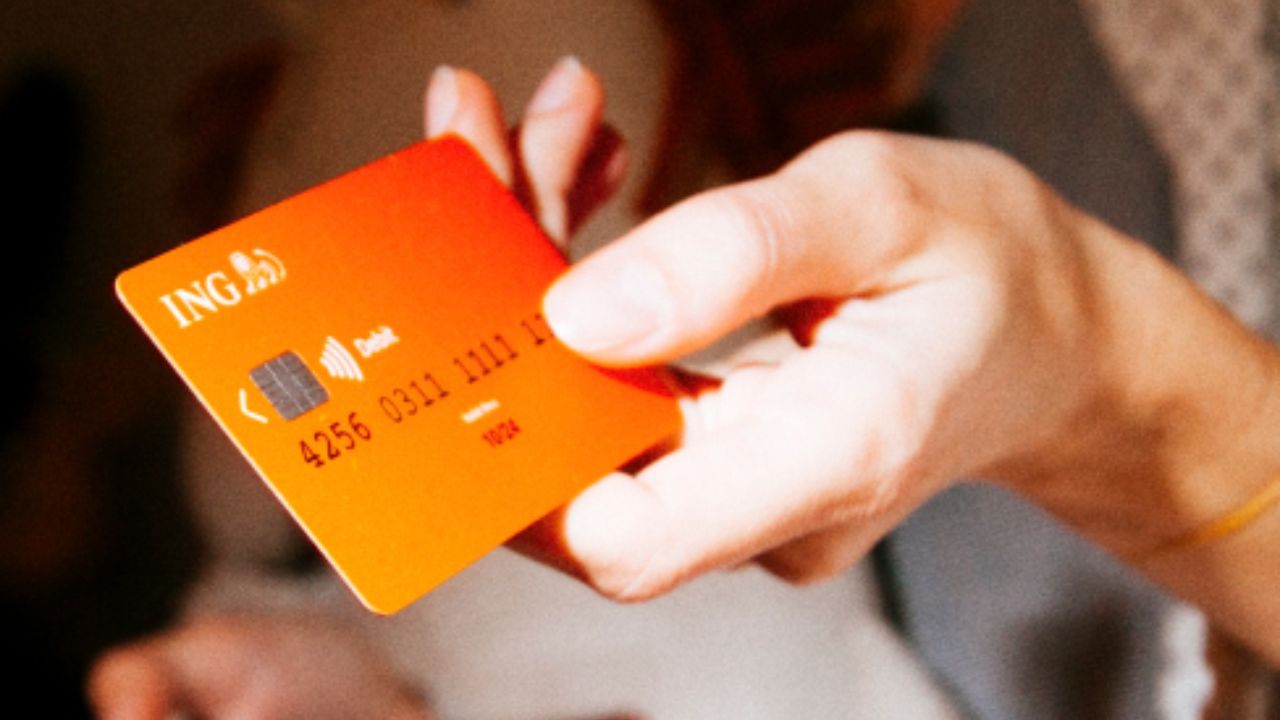
Your everyday habits shape the outcome more than the credit limit itself. Start by learning which transactions qualify for installments and how activation works.
Three Interest-Free Installments For Purchases Over 500 Lei
ING states you can split eligible purchases over 500 lei into 3 equal installments with 0% interest. This applies to purchases in many locations, including online, with some stated exclusions.
The key rule is activation: you must confirm the installment choice in HomeBank or via SMS for that transaction.
The activation window is a real deadline, not a suggestion, so late action can leave the purchase as a normal balance. Plan ahead before traveling so you do not miss the timing.
Up To 24 Interest-Free Installments At Partner Merchants
ING also promotes up to 24 interest-free installments when you buy from partner merchants. This longer plan depends on the merchant’s partner status, so you should check the partner list before you pay.
If you assume every store qualifies, you can accidentally create a standard revolving balance. Partner eligibility changes the repayment plan and determines whether the larger purchase stays cheap.
Use this option for planned expenses like gear, electronics, or travel prep. Then track installments in HomeBank so you do not lose control of due dates.
Points And Offers Through ING Bazar In Home Bank
ING’s reward flow centers on ING Bazar offers, where you reserve an offer and then pay with the credit card. After the purchase, the benefit is credited as points to your wallet, and ING notes that this can take up to 48 hours.
You can convert points into money by transferring them to your account. Bazar rewards work best with planning, because reserving the offer is part of earning the points. If you skip that step, you usually skip the benefit.
Interest Rates And When Costs Start
Installments can reduce interest exposure, but the card still becomes expensive if you carry balances or use cash withdrawals.
ING provides a clear interest rate figure and explains how partial repayments affect interest calculations. If you want to avoid surprises, you should treat interest timing as your main safety rule.
Interest accrues when repayment rules are broken, not when you feel behind, so small delays matter. This section covers purchase interest, cash interest, and the representative cost example that ING publishes.
Purchase Interest And What Happens After Partial Repayment
ING’s published representative example shows a fixed interest rate of 25.00% per year for the credit card.
ING also explains that when you pay only part of the total due, interest can be calculated from the transaction settlement date until the balance is fully covered. This means minimum payments protect account status, but they do not protect your total cost.
Paying in full is the cleanest strategy if you want purchase transactions to stay close to zero cost. Make repayments based on statement deadlines, not on memory.
Cash Withdrawals And Why They Usually Become Expensive
ING applies the same 25.00% per year interest rate to cash withdrawals, calculated from the withdrawal date until full repayment.
Cash does not behave like a normal purchase because it starts accruing interest immediately. Even if a fee line looks small, interest timing can still make cash the most costly action on the card.
Cash withdrawals are a cost trigger, so you should treat them as an emergency tool only. If you need cash often, you likely need a different product.
Representative Example: DAE, Total Repayment, And Annual Fee
ING publishes a representative example to show the cost of carrying a balance over time. For a 9,600 lei credit line over 1 year, ING lists a fixed interest rate of 25.00% per year and a DAE of 28.07% per year.
The example shows a monthly payment of 912 lei and a total repayment of 10,949.09 lei. The example shows a real cost scale, even when the card is marketed as flexible. It also references a 35 lei annual administration fee starting from the second year.
Fees And Other Charges You Should Check Before You Apply
Fees matter even if you repay perfectly, because some costs are fixed, and some costs appear during replacements or special delivery.
ING documents describe issuance fees, annual administration, and delivery pricing for physical cards. You should treat these fees as baseline costs and decide whether your expected benefits exceed them.
Fees are easier to predict than rewards, so start with the tariff and build your choice from there. This section summarizes the fee items ING lists for the credit card and why each one matters.
Issuance Fee And Annual Administration Fee
ING states the card issuance fee is 0 lei for the first issued card, and 35 lei starting from the second physical card attached to the account.
ING also states the annual administration fee for the card is 35 lei and is charged starting from the second year after issuance.
This means your first year can look cheaper, but the ongoing cost becomes visible later. The annual fee is still a real cost, so include it in your long-term budget. If you plan additional physical cards, add the issuance fee too.
Delivery Fees And Sending Card Or PIN Abroad
ING states that delivery for the first delivered card is 0 lei, while delivery can be 18 lei for a renewed card or starting with the second delivered card.
ING fee documents also list sending a card or PIN abroad at 160 RON, which matters if you lose a card while traveling. These are not everyday charges, but they hit hard when you need urgent replacement.
International replacement costs can be avoided by protecting your card and using digital controls. Save emergency numbers before departure.
Why “Zero Fee” Lines Still Require Caution
Some fee tables may show 0 RON lines for certain actions, creating a false sense of safety. The real risk is that interest rules still apply when you use the card outside normal purchase behavior.
For example, cash withdrawals still accrue interest immediately, so a low fee does not guarantee a low total cost.
Read fees and interest together, because they combine into your final expense. If you want predictable use, keep transactions focused on purchases and installments.
Requirements, How To Apply, And Official Support Contacts
Applying is easier when your income information is verifiable, and your documents are ready.
ING promotes a HomeBank-driven workflow for clients and an office option when additional checks are required. You should approach the application as a process, not a form, because approval depends on eligibility and affordability rules.
Preparation reduces approval friction and also helps you request a limit that matches your repayment capacity. This section covers eligibility, HomeBank steps, and official support contacts for urgent issues.
Eligibility And Income Verification Through ANAF
ING notes that credit can be granted on the spot when salary or pension income is reported to ANAF, which can speed up decisions.
If your income is not available through ANAF reporting, the bank may request additional documents and take longer to process. This matters for planning, especially if you want the card before a trip.
Income visibility affects approval speed, so confirm your status before you start. Keep your identification ready and avoid multiple credit applications close together.
Step By Step Application In Home’Bank Or In An ING Office
ING describes a Home’Bank path where you go to Products, Credits, then choose ING Credit Card to apply.
If you are not already a client, ING indicates you can download Home’Bank, open a current account, and then follow the same credit card path. You can also apply in an ING Office, especially if you need help with documents or verification.
Home’Bank is the control center for tracking installments, offers, and repayment planning after approval. Set alerts early and review your statement dates immediately.
Customer Service Hotline And Emergency Card Blocking
For general support, ING lists MyLine numbers, including *2ING (*2464) and 031 406 2464 for calls, including from outside Romania. For urgent lost or stolen card situations, ING’s card terms describe a card blocking center available 24/7 at 021 402 85 99.
Main Office Location In Bucharest
ING lists its head office in Bucharest as Expo Business Park, Strada Aviator Popișteanu, Nr. 54A, Building No. 3, 012095, Bucharest, Romania. This address is relevant for formal correspondence, escalations, and official identification of the bank entity. If you file a written complaint or need a formal confirmation, use the official address details
Conclusion
ING Credit Card works best when you treat it as a planning tool, not extra income. This ING Bank Romania credit card guide shows you where value comes from, like 0% installments and Bazar offers, and where costs appear, like interest after partial repayment.
Apply through Home’Bank if you can, or use an ING Office when documents are needed. Save the support numbers now so you are not searching later.
Note: There are risks involved when applying for and using credit. Consult the bank’s terms and conditions page for more information.