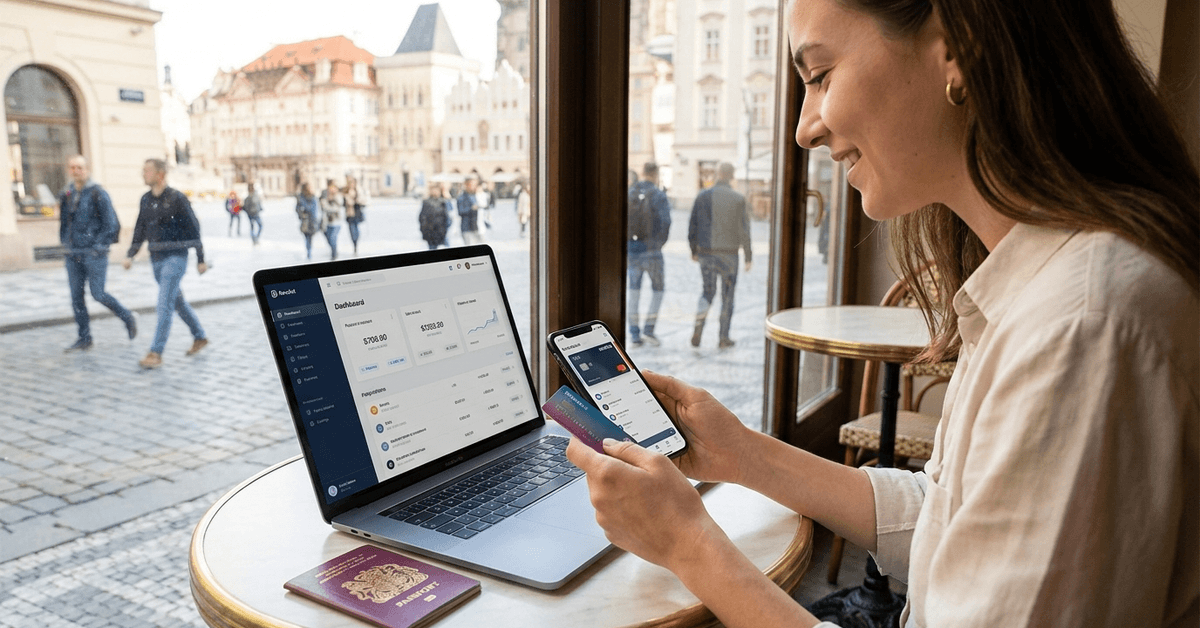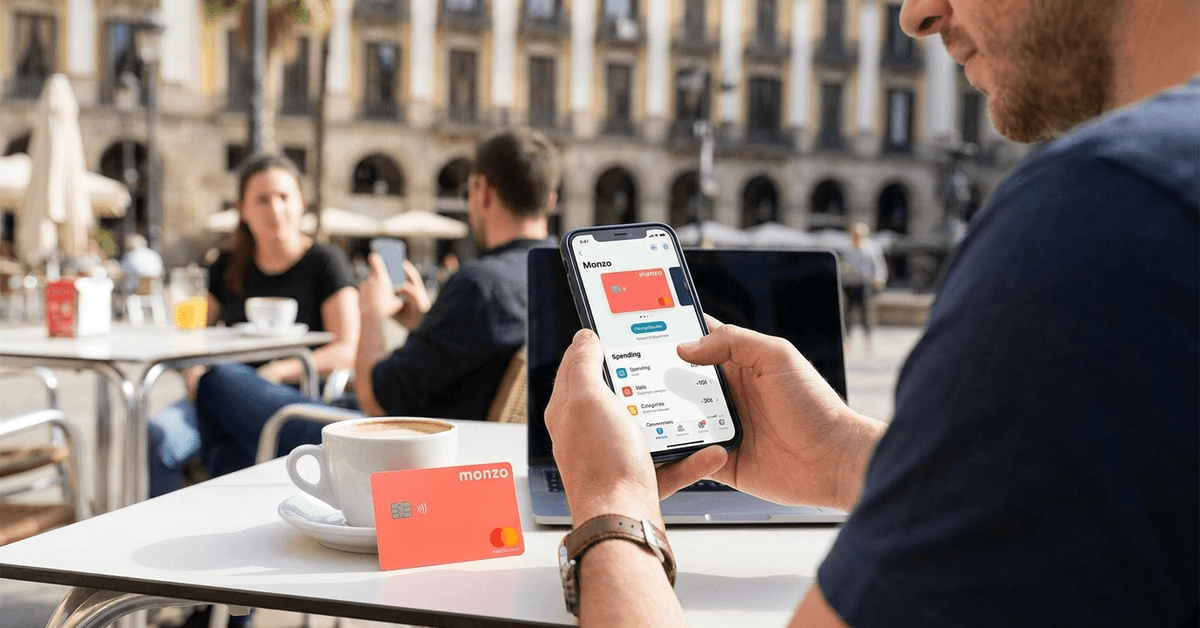
Smart picks come from issuer terms, not the logo on the card. Compare fees, grace periods, exchange-rate treatment, and acceptance at regular merchants.
Keep one primary card and a backup from the other network for trips. Pay statements in full, decline dynamic currency conversion, and use alerts to catch issues early.
What The Networks Do and What They Don’t
Payment networks route transactions between your bank and the merchant’s bank, apply security standards, and handle dispute rails.
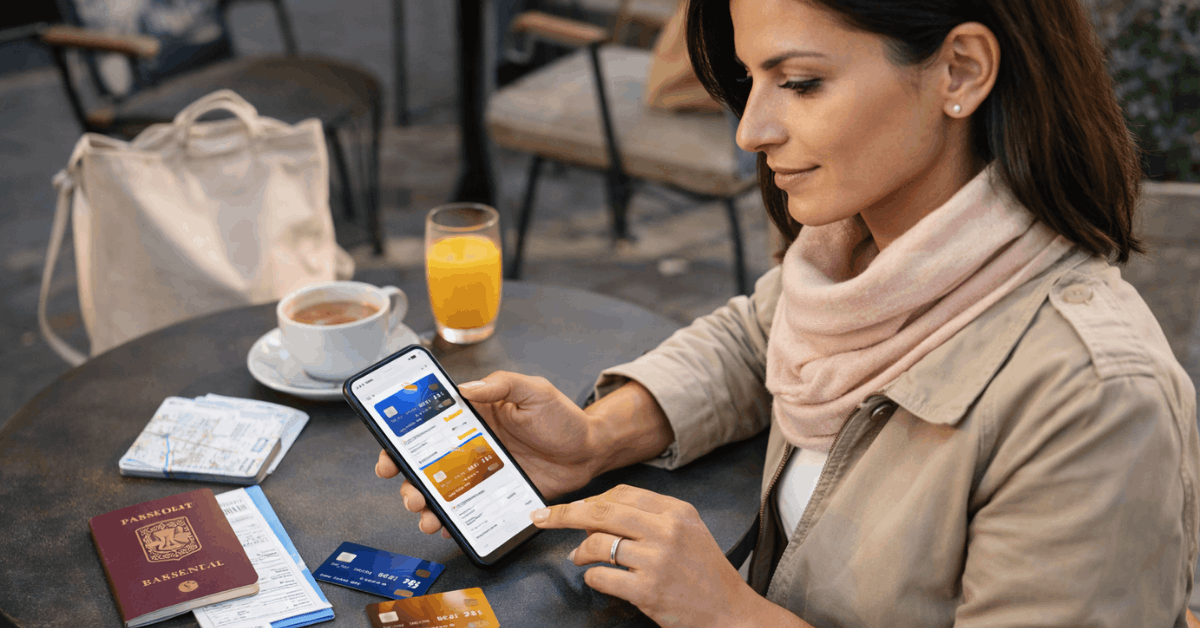
Networks do not set your interest rate, annual fee, statement cycle, or rewards multiplier, since those sit with the issuing bank. Clear thinking starts here because complaints about costs often trace back to issuer policy rather than the logo on the plastic.
Acceptance and Everyday Use In Romania
Card acceptance in Bucharest, Cluj-Napoca, Iași, Timișoara, and other large cities is strong across restaurants, hotels, pharmacies, and most retail categories. Tap-to-pay works on contactless terminals and public transport where enabled.
Rural shops and markets still lean on cash, so a small banknote stash avoids awkward moments in villages or roadside kiosks.
Domestic transactions in RON clear smoothly on both networks, and routine contactless payments Romania adoption keeps climbing as merchants upgrade terminals.
Foreign Currency and Travel Costs
Trips to the eurozone or further afield bring exchange-rate questions. Several independent trackers and bank notices have shown Mastercard foreign exchange rates to be slightly sharper on many dates, while actual results vary by currency and timing.
Issuer markups can erase network differences quickly, which is why real comparisons must include the bank’s currency conversion fee and any dynamic currency conversion prompt at checkout. Declining dynamic currency conversion and charging in local currency usually produces a better rate over time.
Perks and Protections Across Tiers
Entry-level Visa products in Romania often bundle broad baseline benefits like purchase protection and simple travel assistance.
Mastercard’s higher tiers, especially World and World Elite, tend to emphasize lounge access offers, hotel program tie-ins, and concierge features that appeal to frequent travelers.
Issuers decide exact inclusions, so identical-looking cards can deliver different value once terms and partner catalogs are compared. For premium travel perks in Romania, the bundle comes down to the specific package your bank negotiated.
Issuer Matters More Than The Badge
Decisions tighten once issuer options are on the table. Banca Transilvania, BRD, ING, and other local banks publish the real levers that affect your wallet: annual fee, foreign transaction fee, rewards structure, interest on revolving balances, and flexibility around installment plans.
Branch support, app stability, and dispute handling speed also live with the issuer. Clear comparisons that include grace period rules and late fee schedules will outscore any headline perk list.
Urban Versus Rural Spending Habits
City life favors cards, mobile wallets, and fast online checkouts, while many rural households keep cash for markets, small repairs, and services without terminals.
ATMs for both networks remain widespread, though surcharge policies vary by bank and machine operator.
Reliable coverage exists for Visa acceptance in Romania, and for Mastercard acceptance in large towns and shopping centers, yet small independent merchants still post “cash preferred” signs during network outages or power cuts.
Online, Contactless, and Account-To-Account Payments
Romania’s digital ecosystem supports strong ecommerce growth, and a clear rise in tap-and-go habits is visible at large grocery chains and pharmacies. Instant account transfers help with rent, utilities, and peer payments, and SEPA transfers in Romania simplify euro payments to and from EU accounts.
Cards hold the convenience lead for one-click checkouts and recurring subscriptions, while bank-to-bank options can reduce fees for invoices and large purchases.
Merchants that accept multiple rails tend to see fewer abandoned carts because customers finish the transaction in their preferred way.
Fees, Rates, and Risk Controls
Cost control starts with a full read of the card’s tariff list. Annual fees should be weighed against yearly rewards, lounge entries, and insurance benefits you actually use.
Foreign transaction fees of 0 to 2.5 percent still appear on some products, so travelers should filter for zero-percent options when possible. Interest on carried balances can climb rapidly if minimum payments become a habit, which is why clear repayment plans beat guesswork.
For card fees and interest in Romania, the disclosure table in the issuer’s contract is the source of truth.
Disputes, Chargebacks, and Consumer Confidence
Both networks operate mature dispute processes that route chargebacks to merchants when goods are not delivered or services fail basic standards. The issuer typically fronts a provisional credit while investigating, then decides based on network rules and evidence.
Strong merchant records win when services were rendered properly, and strong cardholder records win when proof shows fraud or clear nonperformance. Keeping receipts, screenshots, and delivery confirmations shortens resolution time.
How To Choose: A Simple Decision Framework
A short, structured pass prevents overthinking. Use this checklist to make a call that fits daily life, online habits, and travel plans.
- Start with your issuer shortlist: Compare Banca Transilvania, BRD, and ING products by annual fee, foreign transaction fee, grace period, app quality, and support access.
- Score rewards against your spend: Groceries, fuel, pharmacies, and travel earn differently; a bland 1 percent everywhere card loses to a targeted multiplier when categories match your budget.
- Check travel features you will actually use: Lounge entries, hotel status matches, and insurance terms matter when trips are frequent, a lower-fee product wins.
- Confirm exchange-rate behavior: Network rate differences are small; bank markups change outcomes, so filter for low or zero conversion fees.
- Verify acceptance at regular merchants: Large chains accept both networks; for niche vendors, ask which terminal brand they run and keep a second card if needed.
Example Profiles and Good Fits
Frequent cross-border travelers heading to the eurozone multiple times a year benefit from a zero-foreign-transaction-fee card and a strong mobile wallet experience for transit gates.
Daily commuters spending mainly in RON get more value from a no-annual-fee product that boosts supermarkets and pharmacies, even if the perk set is modest. An online shopper who buys from EU sites should use cards that support 3-D Secure and show clear decline messages when verification fails, since smooth retries keep orders moving.
A small business owner paying suppliers by invoice may keep a network card for flights and subscriptions while using instant bank transfers for large domestic payments to control costs.
Security, Wallets, and Backups
Modern Romanian-issued cards support contactless, tokenized wallets, and transaction alerts that help spot fraud early.
Card lock features in banking apps offer quick protection after a lost phone or suspicious charge. Backup redundancy matters on the road, so carrying one Visa and one Mastercard makes sense for long trips, even if daily life rarely needs both.
PIN-on-chip acceptance is widespread, and offline terminals on trains or parking kiosks can still require a physical card when the phone signal is weak.
Romania Market Context, Briefly
Debit cards remain far more common than credit cards nationwide, and cash still plays a role in everyday life, especially outside large cities. E-commerce continues to expand, and contactless habits are spreading across supermarkets and chain retail.
These trends help both networks because terminals roll out widely, while a slim minority of merchants still operate cash-only points of sale.
Romania credit card comparison pages published by banks and consumer groups repeat the same conclusion year after year: the issuer’s pricing and features drive outcomes more than the network selection.
Last Thoughts
Most people will not feel a daily difference between networks inside Romania, since acceptance, security, and speed look similar at the point of sale. Strong decisions come from comparing the bank’s terms, the rewards map against your spending, and the true cost of travel purchases after fees and exchange-rate policy.
Keep one primary card, maintain a backup from the other network for trips, and favor products that align with real usage rather than headline perks. Shoppers who follow this playbook stop worrying about logos and start getting consistent value from every transaction.
Note: This site provides general information on credit cards and payment products, not financial, legal, or tax advice; always verify rates, fees, and terms with the issuing bank before applying.