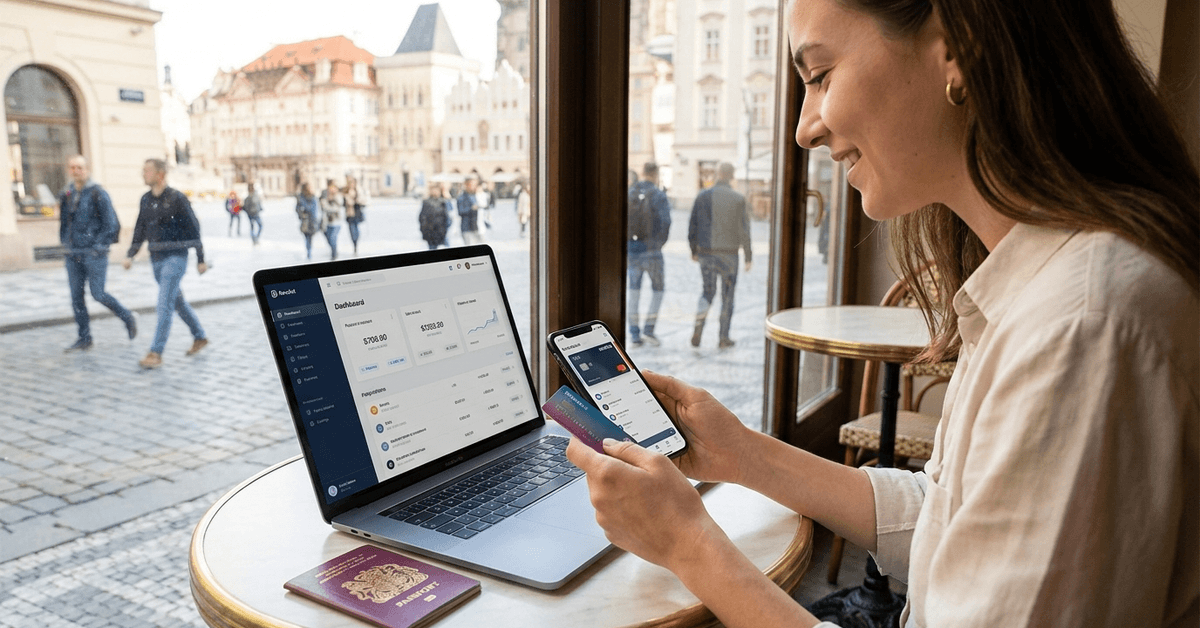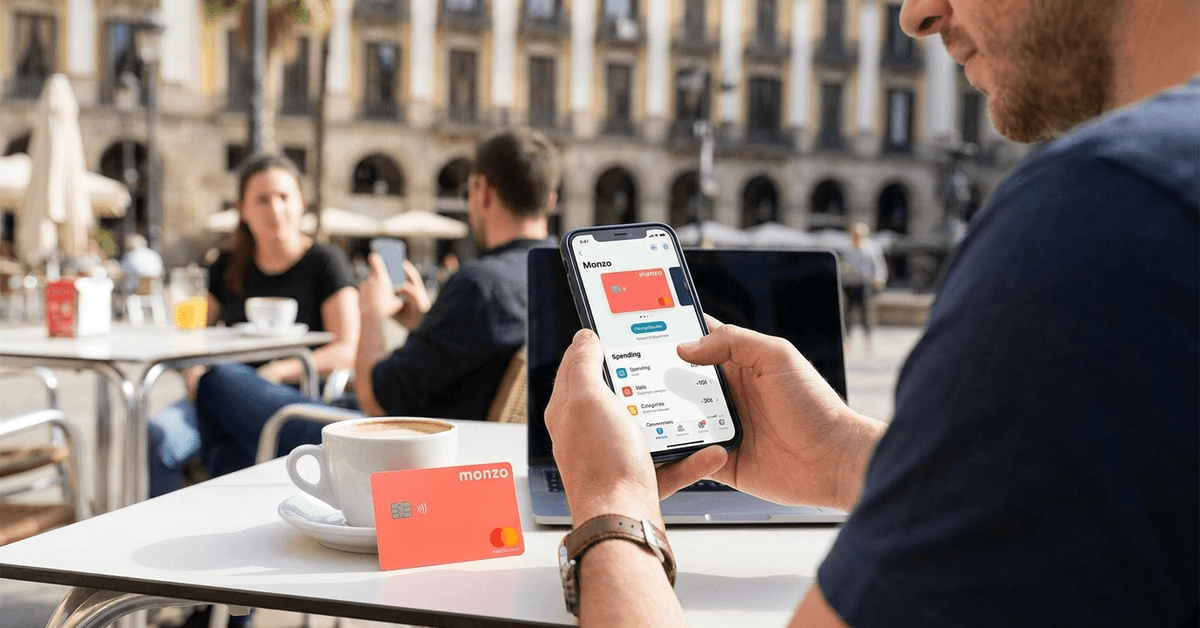
Starting with online banking can feel uncertain, especially for those who haven’t tried it before. For individuals new to Spanish banking, navigating the choices can be surprisingly complex.
This article aims to clarify key differences, highlight common benefits, and offer practical tips. The focus is on good financial practices and selecting the best online banks for new customers in Spain.
Why Choose Online Banks in Spain?
With the Spanish banking landscape rapidly evolving, many people, perhaps understandably, are curious about shifting to online platforms.
Traditional banks might still appeal for their physical presence, but digital banks tend to attract younger or tech-savvy users. Below, a few reasons often come up:
Convenience and Accessibility
Online banks operate independently of physical branches, making accounts available 24/7. People who work irregular hours or travel between regions, for example, gain much-needed flexibility.
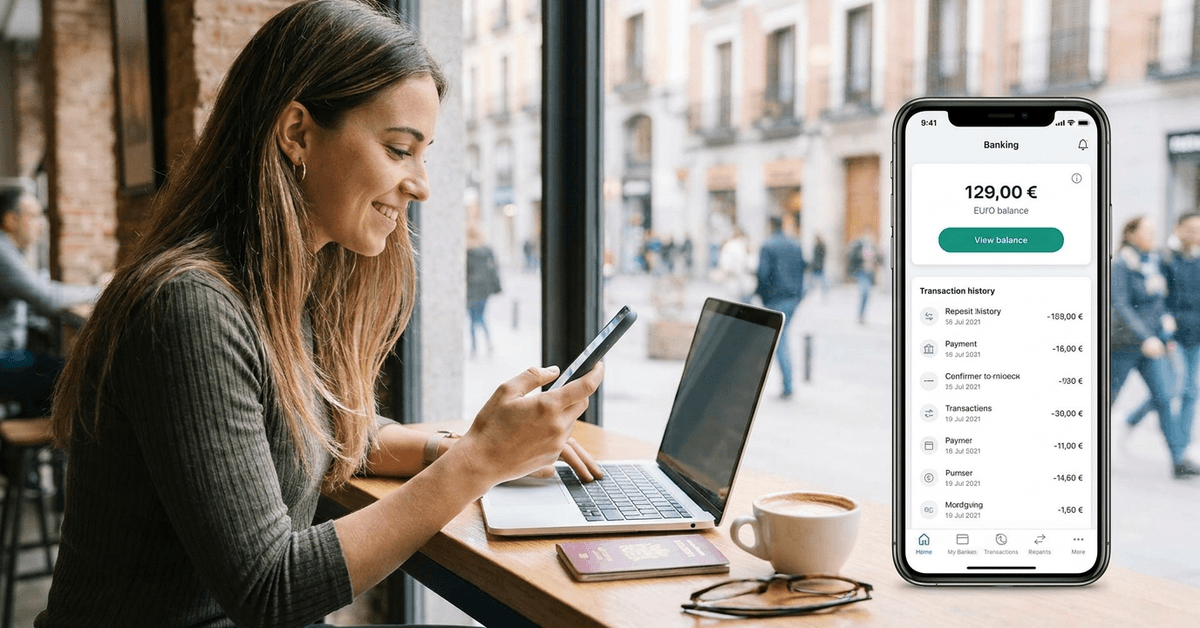
Low Fees and Better Rates
Frequently, online banks in Spain reduce costs by minimizing administrative expenses. This can lead to lower account fees or more attractive savings rates. Although, in some cases, fee structures may vary for specific services.
User-Friendly Technology
Mobile apps and intuitive web platforms are hallmarks of digital banks. Many customers report that tasks like opening an account or managing payments are faster and simpler online.
Key Criteria to Compare Online Banks
When searching for the best digital banks in Spain, certain criteria seem to matter more than others. The following list isn’t exhaustive but covers essential points:

- Account opening process: How easy is onboarding for new customers?
- Monthly or annual fees: Are there free account options or hidden charges?
- ATM access: Do customers have free withdrawals both domestically and abroad?
- Customer support: Is there multilingual help or only Spanish assistance?
- Savings interest: Are savings accounts included, and what rates apply?
- Card offerings: Debit, prepaid, or credit?
Best Online Banks for Newcomers in Spain
The digital banking scene in Spain has expanded rapidly, but a handful of brands stand out for beginners. The below selection accounts for transparency, ease of use, and overall reputation among new arrivals:
1. N26
N26, based in Germany but popular in Spain, offers quick sign-up and a well-designed mobile app. New customers often appreciate its free standard account and transparent fee structure. However, premium accounts do include more features but come with monthly charges.
2. Openbank
As a branch of Banco Santander, Openbank merges strong local roots with digital innovation. Its main draw for newcomers is the zero-fee current account and mobile-first interface. The app supports card blocking, spending analytics, and payment scheduling.
3. Revolut
Revolut stands out for those traveling. Its multi-currency accounts and currency exchange at the interbank rate can appeal to newcomers from abroad.
Caution: certain advanced services, like cryptocurrency trading, may carry additional fees or regulatory nuances in Spain.
4. BBVA Online Account
Some prefer the familiarity offered by Spain’s giants. BBVA’s online account, with its trusted backing and low-barrier setup, reassures many. There’s no maintenance fee if all banking is managed digitally.
5. ING Direct Spain
ING Spain wins points for straightforward, jargon-free banking. Its customer service is frequently described as friendly and responsive. There are no minimum balance requirements for most accounts, and digital tools are simple.
Important Pros and Cons for New Clients
Deciding about online banks sometimes feels rushed, but taking a closer look can be smart. People often notice these positives and drawbacks:
Advantages
Digital banks offer several benefits that make everyday banking more convenient. For many users, they provide a simpler and more flexible alternative to traditional banks.
- Easy online application – Little paperwork is needed and ID verification is typically digital.
- Low cost structure – Many digital banks charge no monthly fees for basic accounts.
- Practical budgeting tools – Apps alert users to spending trends or unusual activity.
Potential Disadvantages
Online banking may not suit everyone’s needs or preferences. Understanding the possible drawbacks can help you choose a service that fits your lifestyle.
- Some services—for instance, depositing cash—are unavailable or limited.
- Language support ranges from comprehensive to minimal. Not all banks offer English assistance at all times.
- Older generations may find mobile-first platforms slightly intimidating or confusing.
Opening an Online Bank Account in Spain: Step-by-Step
It’s fair to say most banks advertise a quick digital setup, but actual steps might differ. These phases recur with popular brands:
- Eligibility Check: Spanish residency is often needed; non-residents can select special options.
- ID Verification: A passport, NIE, or national ID is typically uploaded via phone camera.
- Personal Details: Name, address, and contact info are entered, generally in Spanish or English.
- Confirmation and Card Delivery: After a few days, physical cards arrive by mail, or a virtual card is issued instantly.
Tips for First-Time Online Bank Clients
Making good use of digital banking doesn’t require deep expertise. A few habits—perhaps pretty obvious—make the difference:
- Regularly update banking apps to ensure security and access to the latest features.
- Read through the bank’s terms, especially on ATM withdrawals and fees abroad.
- Consider linking a traditional bank for backup, at least if online banking feels new or uncertain.
- Use in-app security controls such as biometric login or transaction notifications.
Legal, Safety, and Regulatory Considerations
In Spain, online banks are regulated by the Banco de España or equivalent European bodies. Deposits up to €100,000 are covered by the national deposit guarantee fund if the bank holds a Spanish or EU license.
Users should, however, check license details on the bank’s website or consult Banco de España’s resources.
Personal Data Protection
All the major online institutions comply with European GDPR requirements. Still, reviewing the privacy policy before agreeing to terms can prevent surprises, especially in how data may be shared for marketing or analytics.
Fraud Prevention and Account Safety
Most online banks invest in robust digital security, but scams and phishing attempts aren’t rare.
If a suspicious message arrives asking for credentials, contacting the bank directly through verified channels is advisable. Periodic password changes are also a smart habit, even for accounts with biometric access.
Conclusion
Online banks in Spain can be a practical choice for new customers who want simple setup, lower fees, and easy mobile access. Options like N26, Openbank, Revolut, BBVA, and ING each serve different needs, so comparing features is important.
Security, deposit protection, customer support, and cash access should be reviewed before opening an account. With careful selection, online banking can make everyday money management in Spain more convenient and less stressful.