
Searching for a rental home can feel overwhelming, especially with so many choices available these days. Whether relocating for work, school, or perhaps just a change of scenery, the right place can truly make a difference.
This article caters to renters who value a practical approach and wish to understand their options before signing a lease. Learning more about local opportunities may help secure a rental that meets both budget and lifestyle needs.
Why Exploring Local Options Matters When Renting a Home
Looking beyond the obvious listings in big national databases uncovers spaces that might otherwise be missed. Local exploration may provide access to unique offers, better deals, and even friendlier landlord relationships.
In some areas, smaller rental agencies or even word-of-mouth tend to list homes before they appear on national sites.
Of course, there’s also a chance you’ll notice subtle differences between neighborhoods, such as commute, noise levels, or amenities, which may not be fully clear from online listings alone.
Hidden Gems in Less-Promoted Locations
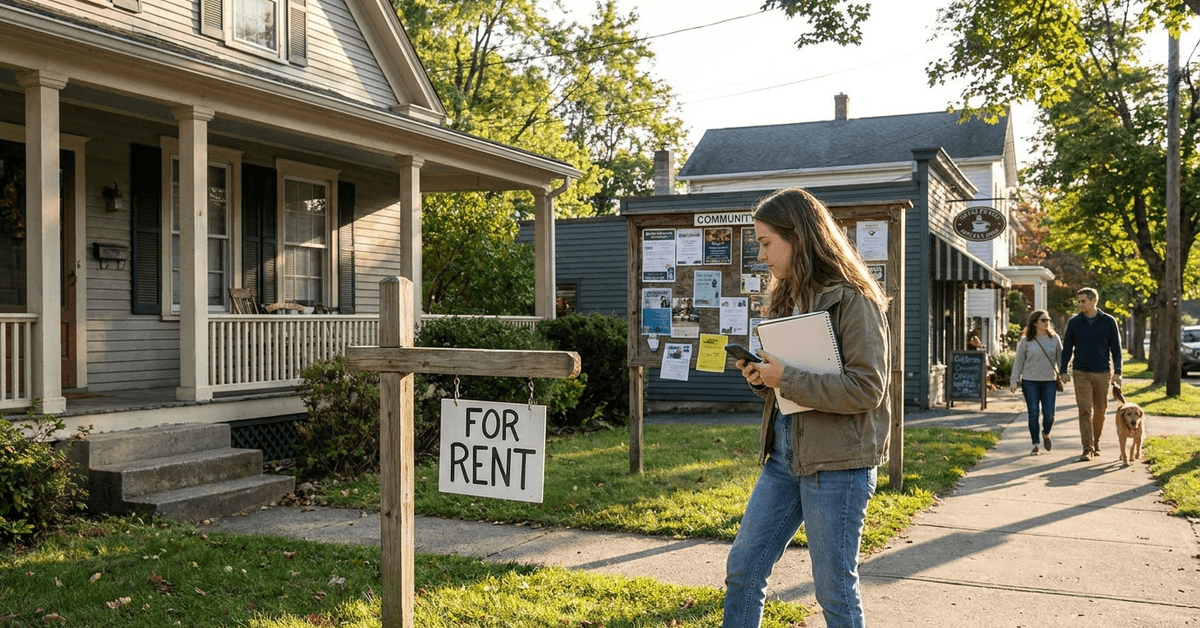
Some renters discover properties by asking friends or visiting local bulletin boards. Many property owners don’t spend on wide advertising, so these rentals remain less competitive. There’s no guarantee, but sometimes that’s where bargains hide.
Community Insights Offer Real Value
Neighbors and community centers may share rental leads not posted anywhere else. For those willing to ask questions or participate in local groups, fresh opportunities could arise—though responses can be a bit mixed, depending on the neighborhood vibe.
How to Start Your Local Rental Search Effectively
Sometimes just walking around desired areas opens up options. Looking for For Rent signs or chatting at corner cafes is an old-fashioned method, but it sometimes leads to a hidden gem.
Digital tools remain powerful too, as local Facebook groups, neighborhood forums, and hyper-local websites often post rentals unavailable elsewhere. Reviews left by past renters on these platforms may offer unfiltered insights, although, as with all online opinions, it pays to read carefully.
Tips for Conducting Safe Local Visits
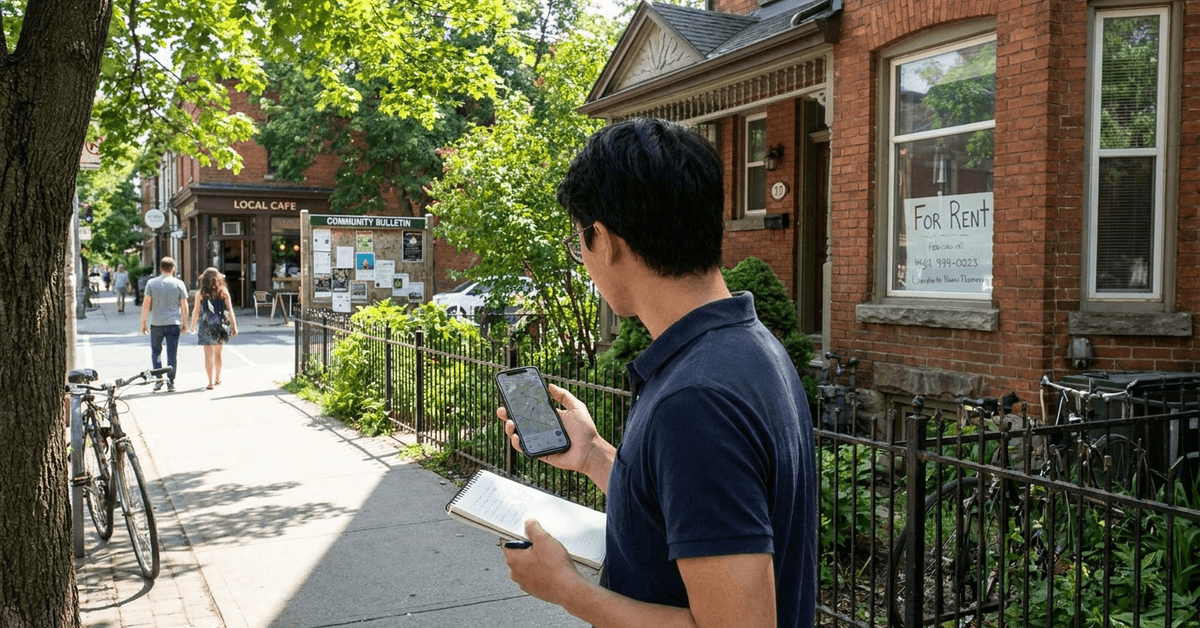
In-person tours help gauge the surroundings and property condition. Bringing a friend or planning during daytime can make these visits safer and more comfortable.
Checking for local amenities, such as grocery stores or public transport, can reveal practical advantages often missed online.
Local Agents and Property Managers
Long-time local agents might have off-market listings. They tend to know the area’s nuances, which could help clarify if prices are fairly set.
Some even share helpful stories about past renters, hinting at the landlord’s style or how quickly maintenance concerns are handled—details that rarely make it into listings.
Choosing the Best Online Platforms and Neighborhood Tools
Well-known sites like Zillow, Apartments.com, and Rent.com are widely used, but they often feature similar inventories. Sifting through community-driven platforms—such as Nextdoor or local housing Facebook groups—may broaden the range.
Renting direct from owners via specialized sites may offer more flexibility in negotiations, but also carries specific risks, especially without the safety net of an agency overseeing the transaction. Caution and a thorough review of the property and contract remain important steps in any rental process.
Neighborhood-Specific Search Portals
Some cities offer official portals displaying verified rental listings, important regulations, and average rent statistics.
Exploring such neighborhood-focused resources could foster more realistic expectations about price and availability, plus occasionally identify subsidies or support programs for qualifying renters.
Mobile Apps and Alerts
Setting up real-time alerts through mobile rental apps lets renters react quickly. A new property can sometimes be viewed the day it is posted, which makes difference in competitive areas. Still, it seems these quick reactions sometimes lead to impulsive choices—patience may be its own advantage.
Key Factors When Evaluating a Local Rental Home
Cost, condition, and convenience tend to drive most rental choices. Yet, small details—like water pressure, cell signal, or nearby parking—might have a larger long-term impact than monthly price.
Some renters realize these needs only after living somewhere for a while, so visiting multiple times and at different times of day can be eye-opening.
Inspecting the Property: What to Look For
Basic checks—like heating, appliances, and door locks—are essential. A few people tap water faucets or flip all light switches, simply hoping to catch any obvious problems before committing.
Noticing smells, sound levels, or potential pests could save trouble later, although it’s easy to overlook these details during a quick tour.
Understanding Lease Terms and Local Rules
Each region may have unique rental regulations and customs. Reviewing minimum lease durations, pet policies, or included utilities can clarify total monthly costs
Renters sometimes feel surprised by strict guest policies or unexpected fees, so reading every clause closely, perhaps twice, helps prevent misunderstandings.
Comparing Rental Prices: Local Market Trends and Fair Rent Evaluation
Rental prices fluctuate with season, demand, and neighborhood features. Comparing at least three similar homes helps identify outliers.
A surprisingly low rent may hint at underlying issues, though it’s equally possible it’s just a lucky find. It always helps to ask about average rates locally, either from residents or reputable agencies.
Deal-Spotting vs. Red Flags
It can be tempting to jump at below-market offers, but inspecting contracts for hidden clauses (such as automatic rent hikes) often pays off over time.
Cross-referencing prices using platforms like Rentometer or local rental indexes can provide context. If a deal feels too good, there’s often a reason.
Safety, Security, and Neighborhood Considerations When Renting
Safety is a major concern for most renters. Looking at neighborhood crime maps or visiting at various times helps paint a clearer picture.
A walk after sunset might reveal more about lighting or activity levels than any written description. Most people prefer rentals with secure entry points and well-maintained communal spaces.
Checking for Safety Features
Some essentials—like working smoke detectors, window locks, or gated entries—should be standard, though it is unfortunately not always so.
In cities, access to public safety resources or local patrols matters, while in suburban areas, it could be more about lighting and visible neighbors.
Moving Logistics: Planning for a Smoother Transition
Organizing a move involves more than just signing the lease. Most renters notice their best moves happen with careful scheduling, organized packing, and a checklist for utilities and address changes.
Some suggest keeping essentials overnight just in case the first night feels unfamiliar.
Coordinating with Landlords and Neighbors
Early communication with property managers or landlords can smooth over hiccups, like key delays or scheduling elevator use.
Neatly labeling boxes and knowing parking rules might sound minor, but those details can affect moving day stress more than imagined.
Local Resources That Support Renters
Many cities and neighborhoods offer help to new residents, from tenant legal aid to rental assistance programs. Reaching out to these organizations, or local community groups, often helps renters understand rights, address disputes, or seek financial advice.
Even local libraries sometimes hold workshops or offer guides tailored to the rental market. Information isn’t always centralized, so asking around—sometimes more than once—can turn helpful.
Frequently Asked Questions About Finding a Local Rental Home
- What documents will I need to apply for a rental?
Usually proof of income, a valid ID, and recent rental history are required. Credit reports or references might also be requested. - How can I avoid rental scams?
Meeting landlords in person, never wiring money before seeing a property, and using reputable platforms all help reduce the risk. - Is it possible to negotiate the rental price?
Sometimes. If a property has sat vacant or off-season, landlords may consider adjustments or added amenities, though this isn’t guaranteed.