Food delivery apps have become a major source of income for many drivers. Two of the biggest players in the gig economy are DoorDash and Uber Eats.
Each platform offers unique pay structures, flexibility, and challenges. This article compares both options so you can decide which one fits your needs best.
Overview of Food Delivery Platforms
DoorDash and Uber Eats dominate the U.S. food delivery market. They provide drivers with flexible opportunities to earn money on their own schedules.
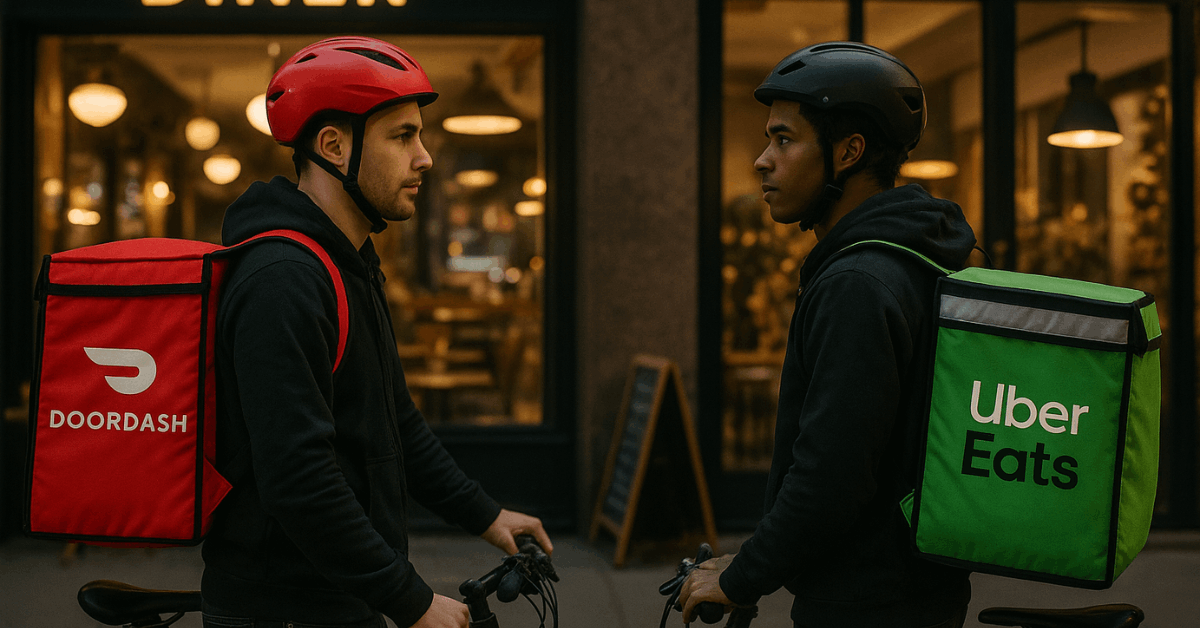
While similar in purpose, each app functions differently. Knowing these differences helps you understand where earnings can be maximized.
What Is DoorDash?
DoorDash was founded in 2013 and quickly became one of the largest food delivery services in the U.S.
It covers thousands of cities and is widely known for its Dashers, the drivers who complete deliveries.
DoorDash allows drivers to accept or decline orders as they wish. This freedom makes it appealing to both part-time and full-time drivers.
What Is Uber Eats?
Uber Eats was launched by Uber in 2014 as an extension of its ride-hailing platform. It operates in many countries worldwide, giving it strong international coverage.
The app connects restaurants, drivers, and customers seamlessly. Drivers can switch between ride-hailing and delivery depending on demand.
How Both Platforms Operate
Both DoorDash and Uber Eats use a delivery request system. Drivers receive order notifications, decide whether to accept, then pick up food and deliver it to the customer.
Payments are processed directly through the app, including base pay and tips. While similar, differences in pay models affect total earnings.
Earnings Comparison
Pay is the number one factor for most drivers. DoorDash and Uber Eats calculate base pay differently and offer separate bonus structures.
To know which pays more, you must look at the full picture. This includes base pay, tips, and extra incentives.
Base Pay Structure of DoorDash
DoorDash pays drivers based on distance, time, and order desirability. The typical base pay ranges from $2 to $10 per order.
The company also allows drivers to keep 100% of customer tips. When demand is high, DoorDash adds Peak Pay bonuses to increase earnings.
Base Pay Structure of Uber Eats
Uber Eats calculates pay using pickup, drop-off, distance, and estimated time. Average base pay is around $1 to $8 per order.
Drivers also receive full tips from customers, which can significantly increase pay. Uber Eats uses surge pricing to reward drivers during busy times.
Tips and Incentives on Each Platform
Tips play a large role in delivery earnings. DoorDash shows an estimated total upfront, so drivers often know how much they’ll make.
Uber Eats provides a more flexible tipping system where tips may update after delivery. Both platforms also include bonuses like challenges and quests to motivate drivers.
Pay Per Hour vs. Pay Per Delivery
Hourly rates matter, but so does the number of deliveries completed. DoorDash tends to provide consistent per-delivery rates, especially in busy cities.
Uber Eats often offers more deliveries during lunch and dinner peaks. The right choice depends on how many hours you can commit.
Expenses Drivers Must Consider
Earnings are not pure profit. Drivers must pay for gas, vehicle maintenance, and taxes.
These expenses reduce take-home pay and must be factored into comparisons. Both DoorDash and Uber Eats require careful expense tracking.
Gas and Vehicle Wear
Gas is one of the largest costs for delivery drivers. Frequent driving also increases wear and tear on vehicles.
The more miles you drive, the higher the maintenance costs. Balancing short trips with efficient routes saves money.
Insurance and Maintenance
Drivers need insurance coverage that includes delivery driving. This can raise monthly premiums.
Regular maintenance such as oil changes and tire checks are necessary. Both factors lower net profits if not planned carefully.
Taxes and Self-Employment Costs
Drivers are considered independent contractors. This means they must handle their own taxes, including self-employment tax.
Tracking mileage and expenses is crucial to reduce taxable income. Many drivers use apps to simplify the process.
Flexibility and Scheduling
Flexibility is a major reason people choose gig work. Both DoorDash and Uber Eats allow you to set your own schedule.
The way you schedule and accept orders can impact your earnings. Comparing these features helps you decide which suits you better.
DoorDash Scheduling and Peak Hours
DoorDash allows drivers to schedule shifts in advance. This system ensures you have access to delivery opportunities during busy times. Peak hours, such as evenings and weekends, often include Peak Pay bonuses. This structured approach benefits drivers who prefer planning ahead.
Uber Eats On-Demand Flexibility
Uber Eats lets drivers log in and start working anytime. There is no need to schedule shifts in advance.
This offers true on-demand flexibility, making it easier for spontaneous driving. It suits part-time drivers or those with irregular schedules.
Which Platform Gives More Freedom?
DoorDash benefits those who like predictability, while Uber Eats favors spontaneity. Freedom depends on whether you prefer structured hours or full flexibility.
Drivers often use both apps to maximize their options. This combination creates a balance of consistency and freedom.
Market Coverage and Availability
Availability of orders directly affects your potential earnings. Both companies have wide reach but differ in coverage areas.
Your location often determines which app is better. Urban and suburban markets show different results.
DoorDash Presence in U.S. Cities
DoorDash is the market leader in U.S. food delivery. It covers most major and mid-sized cities.
Smaller towns are also often included in its network. This gives DoorDash a slight edge in national availability.
Uber Eats International Reach
Uber Eats is stronger internationally. It operates in over 45 countries around the world.
If you live outside the U.S. or travel often, Uber Eats may be more reliable. Its global scale makes it a major competitor.
Suburban vs. Urban Market Differences
Urban areas usually provide higher order volume and shorter delivery distances. Suburbs often involve longer trips with fewer restaurants.
DoorDash tends to be stronger in suburban areas. Uber Eats may have the advantage in densely populated cities.
Delivery Volume and Demand
Order volume determines how many deliveries you can complete per shift. Both DoorDash and Uber Eats vary depending on local demand.
Knowing when and where to drive maximizes efficiency. Driver reports show different trends for each platform.
Order Frequency for DoorDash
DoorDash often provides a steady stream of orders during peak meal hours. Some drivers find that lunch and dinner shifts provide the best income.
Smaller markets may have fewer orders during off-hours. Planning around demand is key to consistent earnings.
Order Frequency for Uber Eats
Uber Eats benefits from its connection to the Uber ride-hailing app. This integration brings in a large customer base.
Many drivers see more frequent orders in cities with high Uber usage. This creates opportunities during both regular and peak times.
Time of Day Earnings Potential
Morning hours usually bring fewer orders. Lunch, dinner, and late-night periods provide the highest pay.
Drivers who align their schedules with peak times earn more. Both apps reward smart timing strategies.
Promotions and Special Incentives
Extra bonuses can boost earnings. Both platforms encourage drivers with promotions.
These rewards vary by market and time. Knowing how each works helps you plan effectively.
DoorDash Peak Pay and Challenges
DoorDash offers Peak Pay during high-demand hours. Drivers can also complete Challenges for extra bonuses after reaching delivery milestones.
These programs encourage drivers to stay active when orders are abundant. Combined with tips, they raise overall income.
Uber Eats Surge Pricing and Quests
Uber Eats uses surge pricing to attract drivers during busy times. It also has Quests, which reward drivers for completing a set number of deliveries.
These incentives can significantly improve earnings in high-demand cities. Drivers who chase promotions often increase their hourly pay.
Which Platform Offers Better Bonuses?
DoorDash is more predictable with Peak Pay schedules. Uber Eats bonuses depend heavily on location and demand.
Drivers should test both apps to see which delivers better results in their area. Promotions often make the difference in pay comparisons.
Driver Support and Technology
Good support and reliable apps make work easier. Both platforms use technology to guide deliveries and resolve issues.
Drivers often compare app design and support responsiveness. These factors affect daily work experience.
DoorDash Driver App Features
The DoorDash app provides clear navigation and upfront earnings estimates. It shows pickup and drop-off details before accepting an order.
In-app support helps resolve problems quickly. The app is simple and widely praised by drivers.
Uber Eats Driver App Features
Uber Eats offers advanced navigation integrated with Google Maps. It provides real-time surge areas and tracking for promotions.

The app allows quick switching between ride-hailing and delivery. This flexibility makes it valuable for multi-service drivers.
Customer and Driver Support Comparison
Both platforms provide in-app chat and phone support. DoorDash often resolves issues faster according to drivers.
Uber Eats sometimes requires longer wait times. Support reliability depends on the market and driver volume.
Conclusion – Which Gig Pays More?
DoorDash and Uber Eats both provide solid earning opportunities. DoorDash typically offers slightly higher base pay and consistent incentives. Uber Eats provides stronger international coverage and flexible on-demand work. The best option depends on your location, driving habits, and financial goals.