
Renting a house within your budget feels both exciting and challenging. The real estate market, after all, never remains static. Over the past few years, shifts in rental prices and demand have influenced renters across income levels.
This article aims to share realistic guidance for anyone actively seeking affordable rental houses. Whether you’re relocating for work, family reasons, or just want a fresh start, understanding the current landscape can make a notable difference.
Ultimately, knowing where to look and what factors shape rental prices helps you spot genuine value. Let’s explore what affordable housing options exist, what influences pricing, and practical strategies to secure a comfortable rental without overspending.
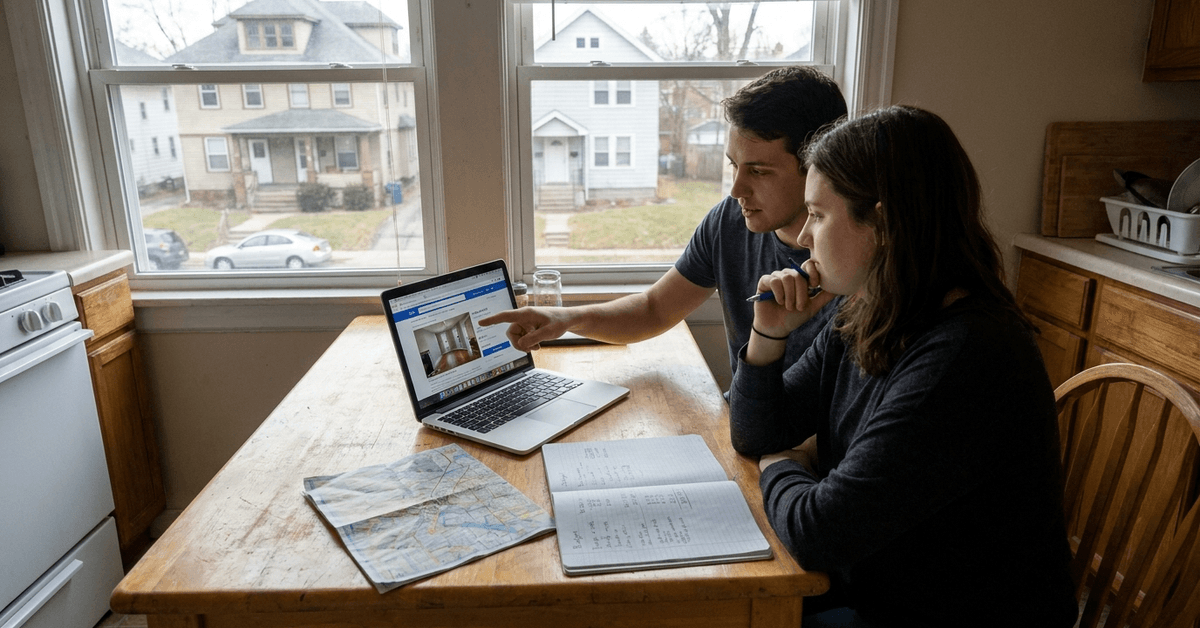
What Makes a House Rental Truly Affordable?
Affordability remains one of those relative terms. For many, it comes down to paying no more than 30% of gross monthly income toward rent. Yet, this benchmark doesn’t always capture local circumstances or individual needs.
The cost of living, location, property size, and included amenities all factor in. Some renters might accept a longer commute for a lower-priced home. Others prioritize conveniences like appliances or flexible leases.
Finding balance between needs and budget often becomes a series of trade-offs rather than a search for perfection. Perhaps compromising on size to gain safety, or choosing rural areas for savings, feels worthwhile—at least for now.
Where to Search for Affordable Houses for Rent
Online rental marketplaces represent a popular starting point. Sites such as Zillow (Zillow rental listings) make it easy to filter options by price, property type, or location. Listings include descriptions, photos, and contact details.
Another reliable resource is REALTOR.com (REALTOR.com rentals), which aggregates properties from multiple listing services (MLS). Users can set privacy-focused alerts for new postings that fit their requirements.
Offline methods shouldn’t be dismissed either. Sometimes community boards at local stores, libraries, or even word-of-mouth through friends yield unique rental opportunities before they’re widely advertised online.
Key Factors Impacting Rental House Prices Today
Location-Driven Differences
Urban centers, naturally, tend to carry higher price tags due to greater demand. Desirable neighborhoods, close to jobs or top schools, often push rates well above average. On the other hand, rural and suburban locations sometimes offer lower rents, though at the cost of longer commutes or fewer amenities.
Supply and Demand Fluctuations
Rental prices don’t exist in a vacuum. A surge in population or limited new housing construction often tightens the market, resulting in rising rents. Conversely, if more units are built or demand drops, prices may stabilize—or even fall in some regions.
Property Features & Lease Conditions
Homes with extra bedrooms, fenced yards, or modern upgrades typically command higher rents. However, houses lacking certain comforts or in need of minor repairs might rent for less. Lease length and included utilities can also affect monthly costs.
Popular Strategies for Finding Lower Rent Houses
Widening the Search Radius
Expanding your search to adjacent zip codes or emerging neighborhoods sometimes uncovers affordable choices that meet most needs. A slightly longer trip to work or school may result in hundreds of dollars per month in savings.
Networking within Local Communities
Connecting with local groups, social media pages, or community centers might reveal word-of-mouth rentals not posted elsewhere. Sometimes, private landlords prefer a personal reference over impersonal screenings.
Targeting Off-Season Moves
Rental markets vary by season. Fewer people move in late fall and winter, which can encourage landlords to offer concessions or negotiate on listed rents. This approach won’t appeal to everyone, but shifting your move slightly may provide leverage.
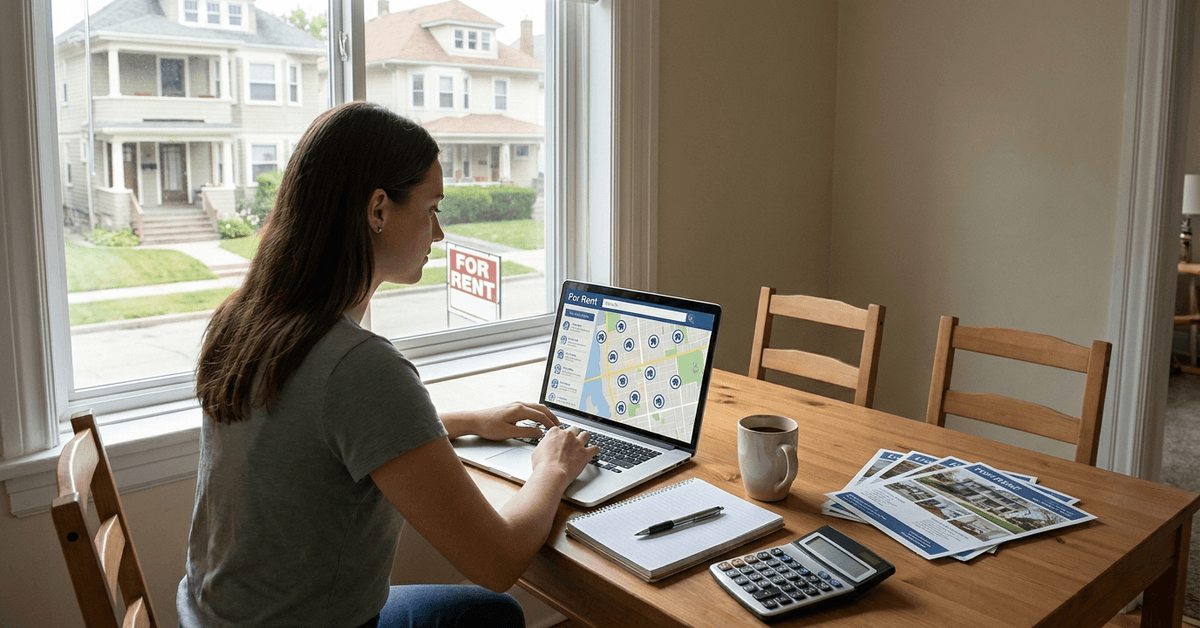
Pros and Cons of Cheaper Rental Houses
Potential Savings vs. Sacrifices
There’s no denying that renting at a lower price can ease monthly finances. However, it occasionally means a trade-off: perhaps less square footage, outdated appliances, or an older home needing minor maintenance.
Private Owners vs. Large Property Managers
Some renters find that private landlords are more flexible about terms or repairs, though may lack professional maintenance resources. Larger management companies, meanwhile, can provide consistency but may have stricter rules and less room for negotiation.
Budgeting for Additional Costs Beyond Rent
Utility Bills
Most rental listings quote the base rent, but utility costs—gas, water, electricity, trash—can add up. Properties with newer insulation or included utilities sometimes offset slightly higher rent with lower monthly bills overall.
Security Deposits and Upfront Fees
Landlords typically require a one-time security deposit, and sometimes extra fees for pets or cleaning. Factor these startup costs into your rental decision, especially if comparing homes with similar base rents.
Legal Protections and Tenant Rights
Understanding tenant rights offers peace of mind when searching for affordable rentals. Laws can vary by state, but generally limit how much notice is needed for rent increases or property entry. Good sources for this information include official state government housing websites.
Reading lease agreements carefully, preferably before committing, prevents costly surprises. If something feels unclear, consult a tenant advocacy group or legal aid organization for guidance.
Trends in the Affordable Rental Market
Increased Demand in Suburban Areas
Recently, there’s been a notable migration from dense cities to surrounding suburbs. As more people seek space and privacy, rental prices in suburbs have risen—though still more affordable than city centers in many regions.
Emergence of Shared Housing Options
Roommate arrangements and shared single-family homes appeal to cost-conscious renters. By dividing rent and utilities, this model allows access to larger or more desirable properties for less individual outlay.
Short-Term Rentals as Alternatives
Short-term leases or month-to-month rental houses may present flexibility for those in transition. However, these arrangements sometimes come at a premium, so balancing flexibility with affordability becomes key.
Long-Term Considerations for Affordable Renting
Planning for Annual Rent Increases
Landlords commonly adjust rents with each lease renewal. While regulations can set limits, it helps to anticipate gradual increases when comparing options, adjusting budgets, or choosing a location likely to retain stable pricing.
Building Positive Landlord Relationships
Timely communication with the property owner or manager lays a foundation for a pleasant tenure. Some renters negotiate minor improvements or flexible renewal terms simply through respectful dialogue—an often overlooked benefit.
Frequently Asked Questions About Affordable Rental Houses
What Is Considered an “Affordable” Rental?
Generally, paying no more than 30% of gross income is widely referenced, but this varies depending on the local economy and family needs.
Which Websites Are Safest for Rental Searches?
Major platforms like Zillow and REALTOR.com follow strict verification and user privacy guidelines, reducing risks of scam listings and ensuring accurate information.
How Can I Protect Myself from Rental Scams?
Always verify the owner or property manager’s identity, avoid sending money before touring the home, and keep communication on secure platforms whenever possible.
Conclusion and Next Steps
Finding an affordable house to rent can sometimes feel overwhelming, but realistic preparation makes all the difference. Staying aware of evolving trends, understanding market factors, and tapping into trusted resources simplifies this search.
Whether your journey leads you to a suburban retreat, shared home, or simply a better value in your current area, prioritizing long-term comfort over quick decisions reduces risk. Nobody finds the perfect rental every time, yet thoughtful planning consistently narrows the gap between expectations and reality.