
Searching for homes to rent close to your location has become more accessible, and, perhaps, even a bit overwhelming. Whether someone is relocating or just starting out, the importance of home selection can’t be understated.
This article might help anyone, from students to families, who are actively considering moving into a rental house. The main benefit? Learning how to spot the best listings, understand local markets, and avoid those small but costly mistakes most renters only realize later.
Understanding Local Rental Markets
The current housing market for rentals near you tends to shift based on season, demand, and even neighborhood trends. It’s useful to observe local pricing trends rather than relying on national statistics, since rates can vary a lot by city or zip code
Sometimes it’s surprising how much difference a single block can make. Also, neighborhood amenities, school ratings, and recent construction often drive up prices in certain areas, although exceptions do exist.
Seasonal Patterns in Rental Prices
Many renters don’t always realize that moving during off-peak months, like late fall or early winter, can lead to smoother negotiations and perhaps slightly better deals.
This isn’t always the case, but schools, college terms, and job cycles cause fluctuations that can favor a patient renter. Still, there are times when even the best timing is no guarantee of discounts.
How to Explore Rental Listings Efficiently
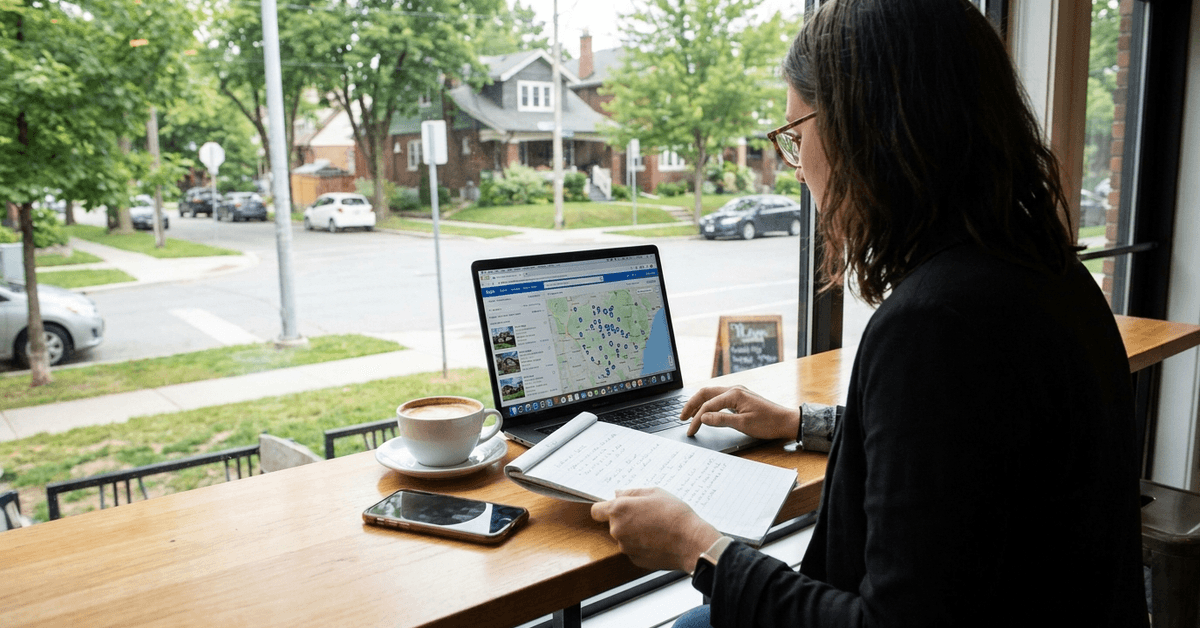
There’s no shortage of platforms and tools when it comes to exploring homes available for rent in your area. Online searches filter by price, amenities, pet policies, and even commute times—a significant improvement over old fashioned methods.
Many people, though, still find word-of-mouth and local bulletin boards surprisingly effective. Relying entirely on digital listings might skip some hidden gems.
Major Rental Platforms to Consider
Websites like Zillow Rentals and Apartments.com have comprehensive databases for most cities and even rural areas.
These platforms update their listings daily, minimizing the risk of chasing unavailable homes. Still, a quick phone call can confirm if a property is actually still open for applications.
What to Look for in a Listing
Sometimes, real estate listings include more fluff than facts. Key things might include square footage, appliance info, parking availability, and true monthly costs—utilities can really change the math.
Notes about security, recent renovations, or flexible lease terms also make certain listings stand out. Strangely, photos don’t always tell the whole story; virtual tours are better but not always offered.
Main Types of Rental Homes Near You
People often group all rentals together, but there are clear distinctions. The main types of homes for rent near you likely include single-family houses, townhomes, duplexes, and apartments. Each comes with different perks, responsibilities, and monthly costs.
Single-Family Homes
These offer most privacy and frequently, more outdoor space. Yards, detached garages, and sometimes even basements come standard. Maintenance is sometimes included, but often left to the renter’s discretion. Maybe that’s both a pro and a con, depending on one’s schedule.
Townhomes and Duplexes
For someone not quite ready to commit to full-house upkeep, a townhouse or duplex blends simplicity with some privacy.
Walls might be shared, but more amenities are often included. These options can be less expensive per square foot in many markets, making them a favorite for new families or roommates.
Apartments and Condos
Modern apartment complexes can resemble miniature communities, complete with pools, gyms, and friendly events.
Condos sometimes offer similar features, although ownership structure changes the dynamic—some condos are owner-rented. Soundproofing and maintenance quality can be inconsistent, and occasionally, amenities are more of a promise than a reality.

Key Factors When Choosing a Rental
Many renters tend to focus first on price; that’s instinctual. However, other considerations might be just as—if not more—critical.
Location, lease flexibility, and even pet friendliness all play a part in the final decision. Sometimes, the ideal rental is not the cheapest, but the one with lower unexpected costs later on.
Neighborhood Safety and Convenience
Safety is one point most renters think about, yet not always objectively. Local crime statistics, school performance, and even community reviews can offer more honest insights than glossy brochures.
Convenience factors, like proximity to transit or shopping, aren’t always what they seem on paper, either.
Lease Details and Extra Costs
Reading a lease closely might save someone future headaches. What appears like a great rental could be complicated by strict guest policies, late fee penalties, or unclear deposit terms.
Utilities, lawn care, parking fees—the list goes on. It’s tough, sometimes, to think through every potential cost in advance.
Applying for a Rental Home: What to Expect
The application process for homes to rent near you can be quick, but often includes several steps.
Documentation needs, background checks, and credit reports form parts of almost every rental application. Sometimes, personal references and previous rental history are asked for, too.
Typical Documents Required
Commonly, applicants provide proof of income, a photo ID, and employment details. Some landlords request recent pay stubs, bank statements, or even employment letters.
Background checks are pretty standard, but requirements can vary widely among property managers.
Application Fees and Deposits
It’s normal for property managers to charge application fees. These range from a nominal sum to, perhaps unexpectedly, more significant amounts in competitive markets.
Security deposits, usually equal to one month’s rent, are standard. Sometimes, these deposits are nonrefundable, especially if the application is withdrawn late in the process.
New Renters: Navigating Your First Lease
First-time renters face a learning curve. Beyond monthly rent, tenants are responsible for complying with local laws, lease terms, and building regulations.
Move-in checklists, while tedious, help document the property’s state, protecting renters from future disputes. Keeping communication open with landlords or property managers is helpful, even if there are no immediate issues.
Rights and Responsibilities as a Renter
Understanding tenant rights and obligations is essential. Local housing authorities generally outline what tenants are responsible for versus what falls to landlords.
Things like timely rent payments, keeping the property in reasonable condition, and reporting maintenance problems—they’re usually expected. In return, landlords must maintain safe living environments and respect privacy. But, not every landlord interprets the rules the same way.
Rental Scams and How to Avoid Them
The popularity of online listings has, unfortunately, made rental scams more common. Always be skeptical if a property seems too cheap or if the landlord avoids direct communication.
Viewing the property in person—if possible—remains one of the best precautions. Never transmitting money before confirming ownership or authority to rent can save a lot of frustration and financial loss. The Federal Trade Commission’s advice on rental scams is a valuable resource if something doesn’t feel right.
Neighborhood Insights for Better Rental Decisions
Sometimes, walking or driving through a neighborhood reveals insights digital maps simply can’t provide. Details like noise levels, street lighting, and community culture shape the actual rental experience.
Engaging with local residents, or browsing neighborhood-specific forums, brings out stories—good and bad—that might not surface in formal listings. Real estate agents, if consulted, usually offer a more institutional perspective, but community opinions can balance that out.
The right decision is rarely just about the property itself; often, it’s about how someone will feel living there.
Conclusion and Next Steps
Choosing the right home for rent near you is not just about finding a place to stay—it’s really about finding a space that supports your lifestyle and financial goals.
Even with uncertainties and imperfect information, a measured approach helps avoid regret and makes the next move feel like a step forward. Always prioritize research, stay cautious of deals that appear too good, and consult trusted sources for peace of mind.
In the end, a thoughtful search might not guarantee perfection, but it leads to better, more comfortable choices.