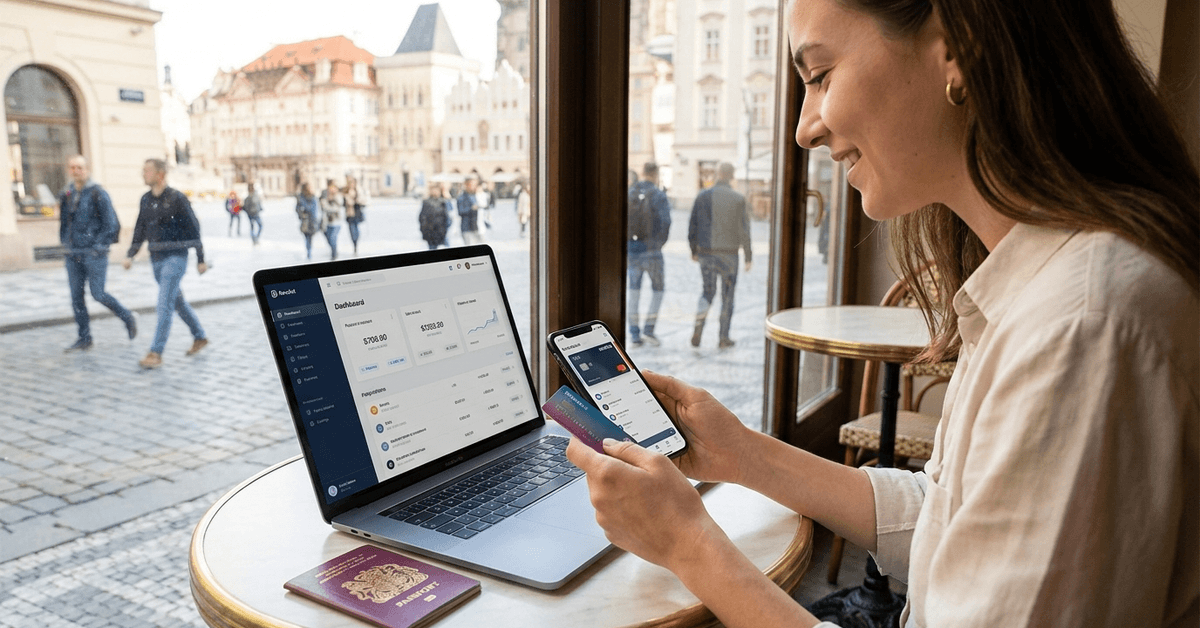
Accessing global banking features can sometimes feel complicated. Yet for businesses and freelancers working with international clients, having a versatile financial tool is essential.
This article delves into the core features of a Payoneer account and suggests why it might be game-changing for cross-border transactions.
If international contracts, currency conversion, or remote payments impact your daily business, understanding these capabilities is perhaps more relevant than ever.
What Is a Payoneer Account?
A Payoneer account acts as a digital bridge between individuals and organizations worldwide. It’s often used by freelancers, online sellers, small businesses, and even larger enterprises that need to receive or send money across different countries.
In practice, it provides a multi-currency platform which can help simplify cross-border financial management. Some users find it even feels more like a global banking hub than a standard wallet.
Key Global Banking Features of Payoneer
Many people look to Payoneer for far more than basic money transfers. Here’s a closer look at the global financial tools the platform offers for practical, day-to-day management.

Multi-Currency Accounts
With Payoneer, users can receive funds in multiple currencies—like USD, EUR, GBP, JPY, AUD, and more—without needing a separate foreign bank account.
These virtual receiving accounts are generally tailored for business use and can prove crucial for handling payments from overseas clients or partners. Perhaps the ease of local collection in different regions is one of its strongest appeals.
Global Payment Services
Transferring money internationally can sometimes get tricky, especially with variable fees and banking restrictions. Payoneer allows users to send and receive funds conveniently in over 200 countries.
Some may say the low friction and minimal paperwork for receiving payments directly from international partners is a standout advantage, though fees and speed should always be considered carefully.
Integrated Payment Request Tools
Invoice management can be challenging for freelancers and small businesses. Payoneer’s payment request tools let users generate professional invoices, send them directly through the platform, and receive updates once clients have paid.
This integrated workflow can make follow-up and accounting easier, even if it’s not everyone’s preferred method. That’s a small point, perhaps, but it’s worth noting.
Currency Conversion at Competitive Rates
Currency exchange often involves hidden costs. Payoneer offers currency conversion at real-time rates, typically at lower margins compared to traditional banks.
This might help optimize earnings or reduce expenses when operating across different regions, but keep in mind that conversion rates change frequently—and it’s smart to compare options for large transactions.
Who Benefits Most from Payoneer’s Global Features?
Payoneer tends to match the needs of certain professionals and organizations. Not all features are universally relevant, but a few groups find the platform especially helpful:

- Freelancers working with overseas clients
- eCommerce sellers on platforms like Amazon, Walmart, or Shopee
- Small businesses that export products or services
- Remote and distributed teams managing global payrolls
Even digital agencies and web developers sometimes adopt Payoneer if they have partners or clients abroad. Perhaps not everyone will prefer this solution, but it’s widely recognized in the online work sector.
How to Access and Use Payoneer’s International Features?
While signing up for Payoneer is relatively straightforward, fully accessing its global banking functions requires some planning. Here’s a quick overview of the typical process:
- Sign up on the Payoneer website with accurate personal or business details.
- Verify your identity, occasionally submitting supporting documents.
- Customize receiving accounts by currency as needed for clients or marketplaces.
- Integrate with platforms you use (e.g. eBay, Upwork, Fiverr) for a smoother payment flow.
- Link your Payoneer account with a local bank to withdraw funds efficiently.
Perhaps the setup process raises a few questions at first, especially if you’re new to cross-border payments. But overall, the steps tend to be logical—even if some users feel initial verification can be slow.
Security and Privacy of Payoneer Accounts
Cybersecurity risks are a concern for all online finance platforms. Payoneer employs industry-standard encryption and robust identity verification to protect user data and funds. Account activity monitoring also helps detect unusual transactions.
Still, it’s always smart for users to activate two-step authentication and regularly update their credentials. There’s not much that’s ever completely risk-free, but these practices certainly help.
Fees and Cost Considerations
Understanding Payoneer’s fee structure may require some attention to detail. There can be costs for certain types of incoming transfers, withdrawals, and currency conversions. Unlike some traditional banks, Payoneer typically discloses fees transparently on its site.
However, if you’re moving large sums or dealing with fluctuating currencies, tracking the evolving fee structure makes sense. It occasionally feels a bit hard to predict, to be honest.
Comparing Payoneer with Alternatives
For many, Payoneer sits among key global payment platforms. Competitors include Wise (formerly TransferWise) and Skrill , each offering its respective strengths and restrictions.
For a detailed comparison, you might want to check the official pages of these platforms or reviews from trusted industry websites.
Access to International Marketplaces
One lesser-discussed angle is Payoneer’s direct integrations with many international marketplaces—not just the commonly known freelance sites or Amazon.
For users in eCommerce or digital sales, these integrations can enable payouts from hundreds of platforms. Yet users should double-check marketplace terms, as each integration comes with its own support limitations and fee structure.
Legal and Regulatory Aspects for Global Payoneer Users
Cross-border payments bring up legal and compliance questions, and Payoneer is no exception. The platform operates under financial regulations in multiple regions and partners with reliable, regulated banks.
That said, not all services are available in every country, and specific regional compliance rules may apply.
Tax compliance is also important, so consulting local guidance or regulatory resources before relying solely on Payoneer would be wise. Sometimes, users express uncertainty around these issues when first getting started.
Tax Reporting Features
Payoneer provides downloadable statements for most tax reporting purposes, such as annual summaries or transaction logs.
This can help when preparing tax filings or responding to audits. Still, it doesn’t substitute for professional tax advice—especially if you’re navigating multiple countries’ systems.
Practical Tips for Managing International Payments with Payoneer
Payoneer can be useful for international work, but reviewing fees, currencies, and account settings helps you manage payments more efficiently.
- Monitor your currency balance regularly to avoid unnecessary conversion costs.
- Schedule withdrawals based on favorable currency exchange rate movements, when possible.
- Set up notifications for each received payment or transaction.
- Explore platform integrations to streamline client payments and accounting.
- Always review fee updates or new compliance notifications from Payoneer.
Some users say trial and error is part of finding the most cost-effective workflow. Preferences might shift over time, depending on a business’s size, client base, or market reach.
Conclusion
A Payoneer account can help freelancers, online sellers, and businesses receive and manage international payments more easily. Its multi-currency tools, payment requests, and marketplace integrations make cross-border transactions more practical.
However, users should review fees, country availability, and tax responsibilities before relying on it fully. Used carefully, Payoneer can support smoother global business payments and better financial organization.